
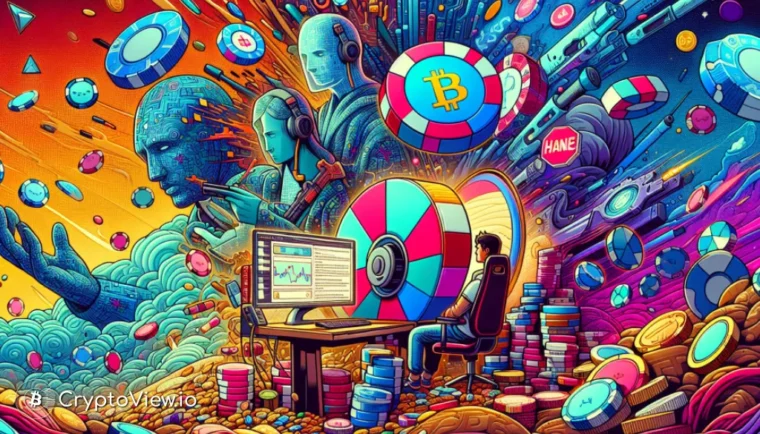
In November 2024, YouTube implemented new restrictions on online gambling content, specifically targeting videos directing viewers to sites involving in-game skins, NFTs, and other digital assets used for betting. This significant update to the YouTube online gambling policy initially caused apprehension within the crypto community, but the platform clarified its focus remained on actual gambling activities, not general discussions of digital assets.
Clarifying YouTube’s Stance on Digital Assets
The cryptocurrency world reacted with a mix of apprehension and speculation when YouTube announced its updated guidelines concerning gambling content. Many content creators and enthusiasts initially worried that the new rules, which came into effect in November 2024, might inadvertently sweep up legitimate discussions about crypto games, NFTs, and decentralized finance (DeFi) platforms under a broad “gambling” umbrella. The fear was that any content touching on digital assets with fluctuating values could be deemed problematic, potentially leading to widespread removals and demonetization.
However, YouTube swiftly moved to allay these concerns, issuing clarifications through spokespersons. The platform emphasized that its policy was not designed to target general cryptocurrency content, discussions around in-game achievements, or analyses of digital asset markets. Instead, the focus remained laser-sharp on explicit promotions and direct links to paid gambling sites that leverage digital assets, skins, or NFTs for betting purposes. This distinction was crucial for creators who legitimately explore blockchain gaming and NFT ecosystems, confirming that their content was largely unaffected.
The Specifics of the Updated YouTube Online Gambling Policy
The core of YouTube’s revised framework zeroed in on content that actively directed users towards external gambling platforms, particularly those exploiting in-game cosmetic items, virtual skins, and NFTs for wagering. This move was largely a response to the pervasive promotion of activities like “case openings” in popular titles such as Counter-Strike 2, which often blurred the lines between gaming and unregulated betting. The policy explicitly prohibited content creators from earning ad revenue through sponsorships from these uncertified gambling platforms.
Furthermore, the updated guidelines made it clear that the promotion of most gambling operators, especially those not holding proper certifications, would be disallowed. While certified gambling sites might still find exceptions based on regional compliance, the general rule aimed to curb aggressive advertising tactics targeting users. The YouTube online gambling policy also cast a wide net, evaluating platforms that offered crypto or NFT rewards instead of traditional cash, ensuring that the spirit of the anti-gambling stance was maintained across various digital asset forms.
Navigating Nuances: Crypto Rewards and Content Evaluation
YouTube’s comprehensive approach extended to scrutinizing content that promised guaranteed earnings, even if a channel held a Google certification. This particular clause aimed to protect viewers from misleading or predatory schemes often associated with high-risk investments or speculative digital asset plays. The platform’s stance here reflects a broader commitment to consumer protection, particularly for younger audiences who might be more susceptible to such claims.
Beyond outright bans, content featuring gambling-themed elements, even if not directly promoting a gambling site, became subject to age restrictions. This measure ensures that impressionable viewers are shielded from potentially harmful content while still allowing creators some flexibility. The decision garnered praise from figures like prominent content creator Iceyyy, who publicly supported the move as a healthy step towards safeguarding consumers and young people, reiterating that general cryptocurrency content would remain viable.
Implications for Creators and the Broader Crypto Ecosystem
For creators operating within the vibrant crypto space, the updated policy meant a renewed emphasis on ethical content creation and transparency. While the initial alarm bells about a sweeping ban on all crypto content proved unfounded, the rules underscored the importance of distinguishing between educational or entertainment content about digital assets and direct promotion of gambling activities. Creators are now more acutely aware of the need to adhere to strict guidelines when collaborating with any platform that involves potential wagering, regardless of whether fiat or crypto is involved.
The long-term impact suggests a cleaner content landscape, potentially fostering greater trust in legitimate blockchain gaming and NFT projects. Creators are encouraged to leverage tools like cryptoview.io to monitor market trends and project legitimacy, ensuring their content remains compliant and valuable to their audience. Explore market insights with CryptoView.io


