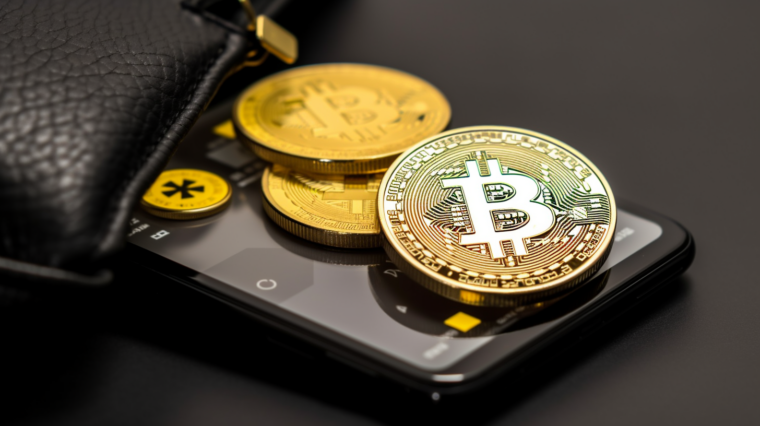
Ever pondered on the potential of inscribing unique data onto the smallest unit of Bitcoin, the satoshi? The answer lies in the advent of the Ordinals Inscription Service, a ground-breaking feature introduced by Binance Pool, a key player in the Bitcoin mining arena.
Breaking Down the Ordinals Inscription Service
With the Ordinals Inscription Service, users can engrave additional data on individual satoshis, giving birth to distinctive digital artifacts that are securely stored on the Bitcoin blockchain. The Ordinals protocol, which rose to prominence recently, has been pivotal in the creation of BRC-20 tokens and Non-Fungible Tokens (NFTs) on the Bitcoin network.
The service extends its capabilities by offering three types of inscriptions: BRC-20, single image, and text. To make use of this service, users need to complete Binance’s Know-Your-Customer (KYC) verification and own a Taproot address, also known as P2TR or Bech32m. This address format is the latest in the Bitcoin ecosystem, identifiable by its ‘bc1p’ prefix and supported by numerous Bitcoin wallets.
Understanding the Inscription Process
For BRC-20 inscriptions, deployment is a prerequisite before minting, and the number of inscriptions is determined by the rules set during this phase. Users can mint multiple BRC-20 tokens at once.
Single image inscriptions, however, are subject to Bitcoin block size limitations. Files under 300KB are inscribed as is, while larger files undergo resizing, compression, and conversion to the WEBP format. Metadata is also removed for added security. Text inscriptions accept only single text inputs with a maximum size of 300KB. Batch inscriptions are not supported in this category.
Once these requirements are met and the associated network and service fees are paid, the inscription is dispatched to the user’s address. Confirmation could take hours or even days, depending on network demand.
The Controversy and the Future
While the Ordinals Inscription Service marks a significant milestone in the evolution of blockchain technology, it has not been without controversy. The surge in its popularity earlier this year led to an increase in transactions and fees on the Bitcoin network, sparking debates over the legitimacy and utility of inscriptions.
These inscriptions utilize Bitcoin’s OP_RETURN function to store arbitrary data on the blockchain, a feature that has received mixed reactions due to its potential impact on the network. Despite these challenges, the service has opened up new possibilities for digital ownership, asset tokenization, and data storage.
For those interested in tracking the progress and impact of such innovative services, tools like cryptoview.io provide a comprehensive perspective on the cryptocurrency market. By offering a consolidated view of your crypto portfolio, it empowers users to make informed decisions.
Please note that once inscriptions are created, they are permanent and cannot be changed or deleted. Users bear sole responsibility for their inscriptions, and Binance does not guarantee the ability to trade or transfer these post-creation. As with any technological advancement, it comes with its own set of challenges that the industry must address.