Did the recent Bitcoin halving fallout stir the crypto world? Absolutely. The aftermath saw a fascinating turn with the advent of Runes minting, capturing significant attention and transaction fees in the Bitcoin network, signaling a new wave in the crypto ecosystem.
Exploring the Runes Phenomenon
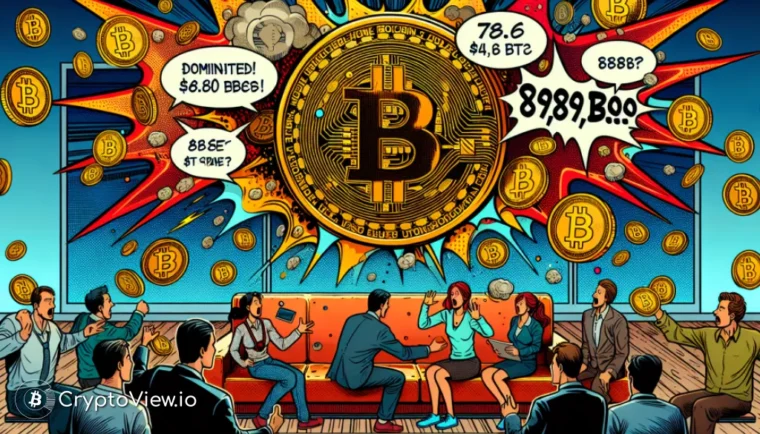
Shortly after the Bitcoin halving, a novel protocol named Runes emerged, drawing an impressive 78.6 BTC in transaction fees within just nine blocks. This development, initiated by the protocol’s creator under the project UNCOMMON•GOODS, underscores a burgeoning interest in on-chain token minting. Runes, akin to the Ordinals concept, allows for the creation of tokens directly on the Bitcoin blockchain. However, it distinguishes itself by leaning towards the functionality of memecoins, rather than being strictly non-fungible.
The Economic Implications
The surge in interest and activity around Runes minting post-halving has sparked discussions on its potential to enhance Bitcoin’s fee economy. Enthusiasts and crypto users were already buzzing about which Runes to mint and devising trading ticker names even before the halving event. This anticipation and the subsequent activity highlight a growing fascination with memecoins and the competition for Bitcoin’s finite resources among new projects. The introduction of Runes into the market is timely, aligning with an increasing appetite for memecoins and their unique appeal.
Looking Ahead
As the crypto community watches, the expectation is that more innovative projects will continue to emerge on the Runes protocol. Among these, Taproot Wizards and a project honoring Satoshi Nakamoto are generating buzz. This trend suggests a vibrant future for Bitcoin’s network, where creativity and the quest for digital scarcity drive new developments. For those keen to explore and monitor these emerging trends, cryptoview.io offers a comprehensive platform to stay informed and make strategic decisions.
Discover new trends with CryptoView.io