
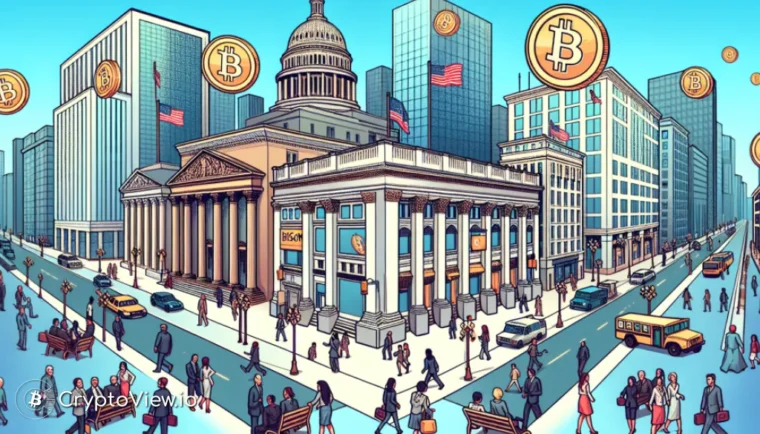
Indeed, over 60% of the top 25 American banks have integrated US banks Bitcoin services, offering clients exposure to the leading cryptocurrency. This significant shift, highlighted by investment firm River, underscores a growing institutional acceptance of digital assets, moving Bitcoin from the fringes into mainstream finance amidst surging demand from high-net-worth individuals and institutional investors.
Price of Bitcoin (BTC)
Traditional Finance’s Digital Asset Pivot
The landscape of traditional banking is undergoing a profound transformation as major financial institutions increasingly recognize the permanence and potential of digital assets. What was once viewed with skepticism is now a strategic imperative, driven by client demand and the evolving financial ecosystem. This pivot signals a maturing market where Bitcoin, once considered a niche asset, is now a legitimate component of diversified portfolios.
The move by these banks isn’t merely a reactive measure; it reflects a proactive strategy to remain competitive and cater to a new generation of investors. Many institutions are building out dedicated digital asset divisions, hiring crypto experts, and investing in blockchain infrastructure. This institutional embrace lends significant credibility to the crypto space, potentially paving the way for broader adoption and further innovation within the financial sector.
Major Players and Their Bitcoin Offerings
A significant portion of America’s largest banks, including financial behemoths like JPMorgan Chase, Citigroup, Goldman Sachs, Wells Fargo, BNY Mellon, and Morgan Stanley, have begun offering various Bitcoin-related services. While most currently focus on either custodial solutions or trading features, the trend is clear: these institutions are building pathways for their clients to engage with digital assets. For instance, Citigroup and Fifth Third Bank are reportedly exploring comprehensive offerings that could soon include both custody and trading.
It’s noteworthy that many of these early offerings are tailored specifically for High Net Worth (HNW) clients, reflecting a cautious, phased approach to integrating such volatile assets. This targeted strategy allows banks to test the waters, manage risk, and refine their services before potentially rolling them out to a wider client base. This strategic entry into US banks Bitcoin services contradicts earlier public denials from some of these very institutions, showcasing how quickly market sentiment and strategic priorities can evolve.
Navigating Regulatory Hurdles: The CLARITY Act Standoff
While banks are increasingly offering Bitcoin services, the broader regulatory environment remains a complex battleground. A key point of contention is the Digital Asset Market Clarity Act of 2025, also known as the CLARITY Act. This significant legislative effort, aimed at establishing a comprehensive regulatory framework for digital assets, was passed by the House of Representatives in 2025 but has since faced delays in the Senate.
The core of the dispute lies between traditional banks and digital asset exchange platforms like Coinbase. Exchanges advocate for offering staking rewards and yields on stablecoins, which often surpass traditional interest rates. The American Bankers Association has voiced strong opposition, arguing that such high yields could siphon trillions of dollars from legacy institutions, potentially leading to bank runs and destabilizing the economy. They are pushing for yield limits and other control measures to maintain competitive balance. As of January 27, 2026, the US Senate is poised to vote on the latest proposal regarding the CLARITY Act on January 29, following earlier postponements, making this a critical week for crypto regulation.
Trend of Bitcoin (BTC)
What’s Next for Crypto in Banking?
The current trajectory suggests that the integration of digital assets into traditional banking is an unstoppable force, not a fleeting trend. As regulatory clarity slowly emerges and technological infrastructure matures, we can anticipate a broader range of US banks Bitcoin services becoming available, potentially extending beyond HNW clients to retail investors.
Future developments might include more sophisticated investment products, direct crypto lending, and even tokenized traditional assets offered by banks. The competition between traditional finance and native crypto platforms will likely intensify, driving innovation and better services for consumers. Staying informed about these rapid changes is crucial for any investor. For those looking to keep a pulse on these evolving market dynamics and identify potential opportunities, tools like cryptoview.io can be invaluable for real-time insights and portfolio management. Find opportunities with CryptoView.io


