
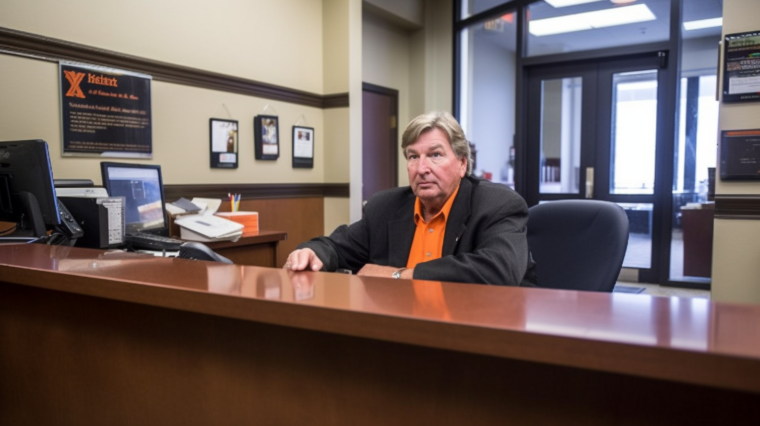
On July 29, the banking crisis deepens as the U.S. banking system faced another blow. The Heartland Tri-State Bank of Elkhart was forced to close its doors by the Kansas Office of the State Bank Commissioner, with the Federal Deposit Insurance Corporation (FDIC) assuming control. This marks another troubling chapter in the ongoing financial turbulence.
Transition of Control to Dream First Bank
According to a statement by the FDIC, the four branches of Heartland Tri-State Bank will reopen under the banner of Dream First Bank with regular business hours starting July 31. The customers of the failed bank will now be served by Dream First Bank. This transition means that all transactions, including withdrawals, deposits, and loans, will now be handled by Dream First Bank. Heartland Tri-State Bank customers are advised to continue using their existing branch location until the transition process is completed.
A Troubling Trend in the Banking Industry
The closure of Heartland Tri-State Bank is not an isolated incident. It is the first bank to collapse since the troubled First Republic Bank was acquired by J.P. Morgan in May following unsuccessful rescue efforts. It also comes on the heels of the dramatic downfall of Silicon Valley Bank in March, which sparked days of chaos in the U.S. banking system. Furthermore, this collapse marks the second bank crisis in the same week. On July 25, PacWest merged with Banc of California, both banks seemingly trying to fortify their positions amidst the industry-wide turmoil.
The root cause behind these bank failures is believed to be a combination of rising interest rates in the U.S. and poor risk management by financial institutions. The Federal Reserve has hiked its benchmark rate to over 5.25% in July, the highest rate since 2007, in an attempt to curb the country’s inflation. As of June, the U.S. inflation rate was 4.1% year-over-year.
Financial Impact and the Path Forward
At the time of its closure, Heartland Tri-State Bank had around $139 million in total assets and $130 million in total deposits. Dream First Bank agreed to acquire all these assets along with the deposits. The FDIC estimates that the Deposit Insurance Fund (DIF) will incur a cost of $54.2 million due to this transition. The DIF is an insurance fund established by Congress in 1933 and managed by the FDIC to protect the nation’s bank deposits.
As these banking crises unfold, it’s crucial for individuals and businesses to keep a close watch on the financial landscape. Tools like cryptoview.io can provide valuable insights into the world of finance and help make informed decisions.
Stay Informed with cryptoview.io
With the House Financial Services Committee introducing several bills in June, termed as the ‘first wave’ of legislation to address major bank failures, it’s evident that the lawmakers are not sitting idly by. As we navigate these uncertain times, staying informed and vigilant is key to financial stability.


