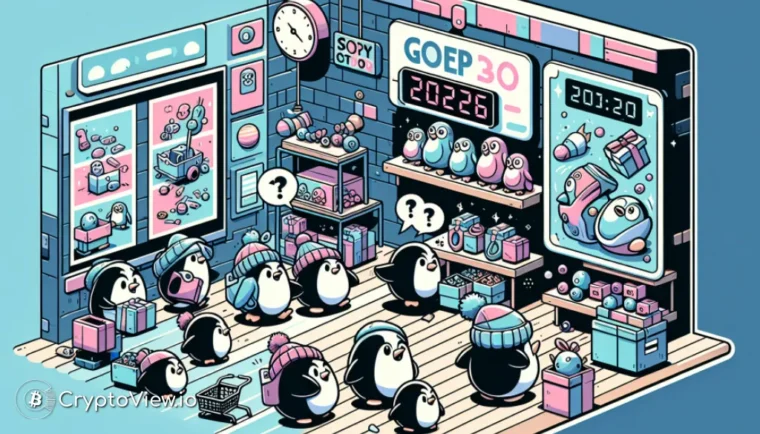
Pudgy Penguins, the renowned NFT collection, is targeting over $20 million in retail sales for 2026, a significant leap from previous figures. This ambitious goal is underpinned by a meticulously crafted Pudgy Penguins retail strategy, spearheaded by toy industry veteran Steve Starobinsky, aiming to extend its brand presence into major big-box stores and beyond the traditional crypto sphere.
From Digital Collectibles to Physical Aisles: The Pudgy Penguins Retail Strategy
Pudgy Penguins, having cemented its status as a top-tier NFT collection with a market capitalization around 47,000 ETH (approximately $159 million as of December 2025), is now actively diversifying its revenue streams beyond digital assets. This bold expansion into consumer packaged goods represents a pivotal shift, moving from the fast-paced, often reactionary world of crypto projects to the deliberate, long-term cycles of traditional retail. The architect of this ambitious undertaking is Steve Starobinsky, a seasoned veteran of the toy industry, whose appointment in March 2025 marked a new era for the brand’s physical product initiatives. His expertise is crucial for executing the sophisticated Pudgy Penguins retail strategy.
Starobinsky, serving as Pudgy’s Director of Business Development and Partnerships, emphasizes that success in the retail landscape isn’t achieved overnight. Drawing parallels to the gradual formation of Hawaii’s islands, he highlights the necessity of a methodical approach, especially when engaging with major retailers. This strategic pivot involves securing purchase orders well in advance, often a year ahead, to ensure products are on shelves for key selling seasons like Christmas. Missing these critical cycles, as he noted, can mean missing an entire year’s holiday sales opportunity.
Navigating the Retail Calendar: A Methodical Approach
The world of big-box retail operates on a timeline far removed from the instantaneous nature of blockchain transactions. For instance, securing product placement for the 2026 holiday season would have involved signing purchase orders back in September 2025, following annual industry events in Los Angeles. Retailers require comprehensive visibility into product packaging, licensing agreements, and inventory counts well in advance. Starobinsky’s decades of experience crafting goods for major brands like Paw Patrol and Minecraft, along with his involvement in launching PopSockets, gives him an unparalleled understanding of this intricate calendar.
This methodical planning is a stark contrast to the rapid development often seen in crypto projects. While Pudgy Penguins had already initiated collaborations with established names such as Bearbrick, PEZ, and Penguin Random House for various consumer goods, Starobinsky’s influence promises a significant amplification of these efforts. He previously stated that the bulk of his strategic initiatives would become apparent in 2026, aiming to dramatically increase the physical merchandise available, leveraging the "eyeballs" the brand already captures through its digital presence.
Beyond the Holidays: Capitalizing on "White Space"
A key element of Pudgy Penguins’ market penetration involves identifying and exploiting "white space" in the retail calendar, particularly the post-holiday period. While most manufacturers scale back advertising after December 26, when stores traditionally clear inventory with markdowns, Starobinsky sees a strategic advantage for Pudgy Penguins. Its inherent winter theme allows the brand to naturally extend marketing efforts into what he terms a 45-day "dead zone" between New Year’s and Valentine’s Day.
By committing to extended advertising campaigns with retailers during this period, Pudgy Penguins aims to secure prime promotional space and potentially avoid deep price reductions, thereby improving margins for retailers. This proactive approach to marketing when competitors are dormant creates a unique competitive edge. Starobinsky believes that owning the winter season is a major goal, allowing the brand to differentiate itself and transition from millions to potentially hundreds of millions in retail sales by winning these crucial promotional battles. This is where the Pudgy Penguins retail strategy truly shines, turning a perceived lull into a lucrative opportunity.
Building a Cross-Platform Empire
Pudgy Penguins isn’t just about plushies and keychains; it’s a multi-faceted digital asset empire built on the *diamond hands* of its loyal community. Beyond its flagship NFT collection, which commanded a market cap of around $159 million in December 2025, the project also launched the Pengu token on Solana in 2025, which saw its value climb to approximately $818 million, according to CoinGecko. Furthermore, a blockchain-based mobile game developed in partnership with Mythical Games expands its digital footprint, offering interactive experiences to its community.
The physical retail push, while seemingly distinct, is intricately linked to this broader ecosystem. The playful, hand-drawn aesthetic of Pudgy Penguins resonates across age groups, from children reading its books (targeting 4-8 year olds) to adults engaging with its digital collectibles. Starobinsky’s past success in taking intellectual property from niche to mass appeal, such as with PopSockets, positions him perfectly to bridge the gap between Pudgy’s vibrant online community and a mainstream consumer audience. This holistic approach ensures that each product line, whether digital or physical, reinforces the brand’s overall presence and appeal.
For those tracking the broader digital asset landscape and seeking to understand the interplay between NFT projects and mainstream commerce, platforms like cryptoview.io offer invaluable insights into market trends and project performance. Find opportunities with CryptoView.io