
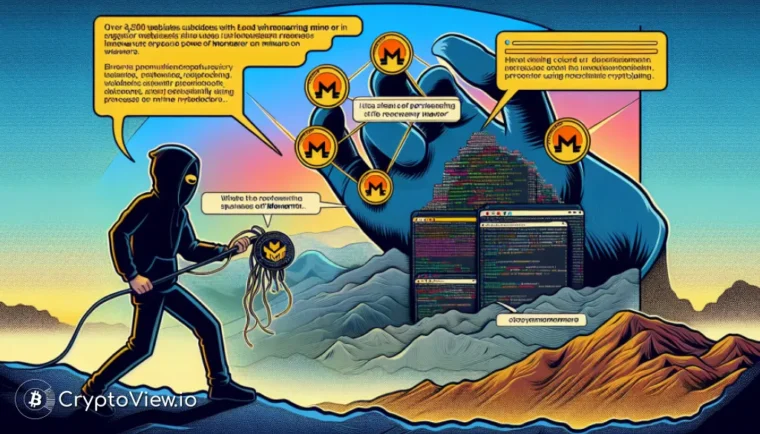
Over 3,500 websites have been infected with monero miner malware websites, injecting cryptojacking scripts into visitors’ browsers. This malware subtly uses processing power to mine Monero, raising concerns about the resurgence of this illicit activity. The tactic, reminiscent of the Coinhive era, now focuses on stealth and persistence, making detection more challenging. Let’s explore this new wave of cryptojacking and its implications.
Price of Monero (XMR)
The Resurgence of Cryptojacking
Cryptojacking, the unauthorized use of devices to mine cryptocurrency, is experiencing a resurgence. Unlike its earlier, more blatant forms, this new wave operates with stealth, often going unnoticed by users. Instead of maxing out CPUs, the malware throttles resource usage to avoid detection, making it harder for users and security software to identify the malicious activity. It’s a slow and steady approach, aiming for long-term, low-profile mining.
How Monero Miner Malware Works
The monero miner malware websites inject JavaScript code into vulnerable websites. This code utilizes WebAssembly for faster in-browser mining and WebSockets for persistent communication with the attacker’s server. This combination allows the malware to operate discreetly, siphoning off small amounts of processing power without triggering alarms. The focus is on Monero, a privacy-centric cryptocurrency, likely chosen for its enhanced anonymity features.
This new approach differs significantly from earlier cryptojacking campaigns that relied on high CPU usage, which made them easier to detect. The current malware prioritizes stealth, making it more difficult to identify without specialized tools. This shift in tactics suggests a more sophisticated and persistent threat.
Who’s at Risk and How to Protect Yourself
While the immediate risk isn’t directly targeting crypto users’ wallets, the primary targets are website owners. Hackers often exploit vulnerabilities in website platforms, particularly e-commerce sites and those using outdated software. The injected malware then uses the website visitors’ browsers to mine Monero. Regular security audits, timely software updates, and robust website security measures are crucial for mitigating this threat.
Keeping your browser updated and using ad blockers and anti-malware software can also help protect you from monero miner malware websites. Additionally, be cautious about the websites you visit, especially those that seem slow or unresponsive, as this could be a sign of cryptojacking activity.
Trend of Monero (XMR)
The Future of Cryptojacking
The resurgence of cryptojacking highlights the ongoing cat-and-mouse game between cybersecurity professionals and malicious actors. As security measures improve, attackers adapt their techniques to remain undetected. Staying informed about the latest threats and implementing appropriate security measures is essential for both website owners and individual users. For deeper insights into crypto market trends and security threats, platforms like cryptoview.io can be invaluable resources.
Find opportunities with CryptoView.io

