
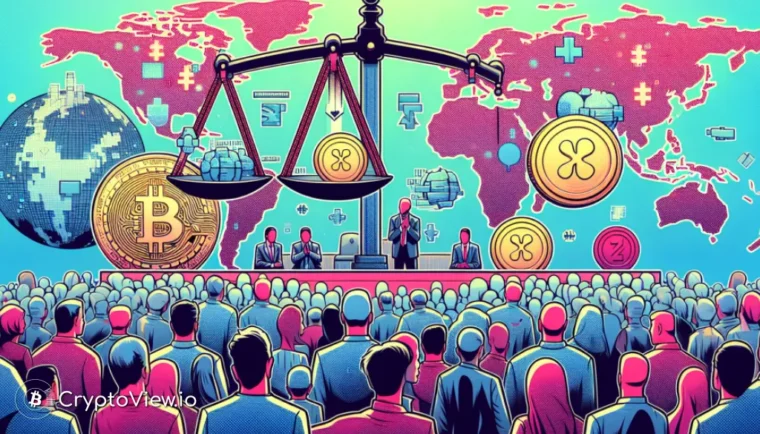
The recent XRP stablecoin classification by the World Bank has ignited a fiery debate within the cryptocurrency sphere, especially among Ripple enthusiasts. This unexpected categorization emerged from a research paper in November 2021, which discussed the pivotal role of stablecoins in enhancing the efficiency and security of cross-border payments. The recognition of XRP alongside XLM for their relative stability against fiat currencies marks a significant moment, raising questions about Ripple’s future strategies and the broader implications for the crypto ecosystem.
The Ripple Effect of XRP’s New Classification
The World Bank’s decision to classify XRP as a stablecoin has been met with mixed reactions. On one hand, it underscores XRP’s potential to streamline cross-border transactions, presenting it as a viable alternative to conventional banking systems with its promise of faster and more cost-effective payment solutions. On the other hand, this classification has stirred controversy, particularly because of XRP’s known volatility and the speculative nature surrounding its integration with Automated Market Makers (AMM) for banking stability. This has led to a division within the community, with a strong contingent arguing against the notion of XRP ever being considered a stablecoin.
Behind Ripple’s Hesitation to Launch a Stablecoin
Despite the World Bank’s nod, Ripple has been cautious about introducing a stablecoin on the XRP Ledger (XRPL). This hesitation seems to stem from a strategic standpoint, focusing on cementing XRP’s role as a bridge currency, especially between different digital currencies and Central Bank Digital Currencies (CBDCs). Ripple views private stablecoins as potential rivals to this bridging function, which might explain their reluctance to jump on the stablecoin bandwagon. This strategic ambiguity has fueled further speculation and discussion regarding Ripple’s long-term plans and the possible introduction of an XRP-backed stablecoin.
What the Future Holds for XRP
The debate over the XRP stablecoin classification continues to rage, with opinions divided on its implications for Ripple and the broader cryptocurrency landscape. While some see this as a strategic move by Ripple to bolster XRP’s utility and market stability, others view it with skepticism, questioning the influence of Ripple’s ambitions on the World Bank’s classification. Regardless of the stance, this development has undoubtedly placed Ripple at a crossroads, prompting a reevaluation of its strategic direction amidst the volatile market conditions.
For those keen on tracking the evolving narrative around Ripple and XRP, cryptoview.io offers a comprehensive platform to monitor market trends and developments. This tool could prove invaluable in navigating the complexities of the cryptocurrency market and making informed decisions.
Discover insights with CryptoView.io

