
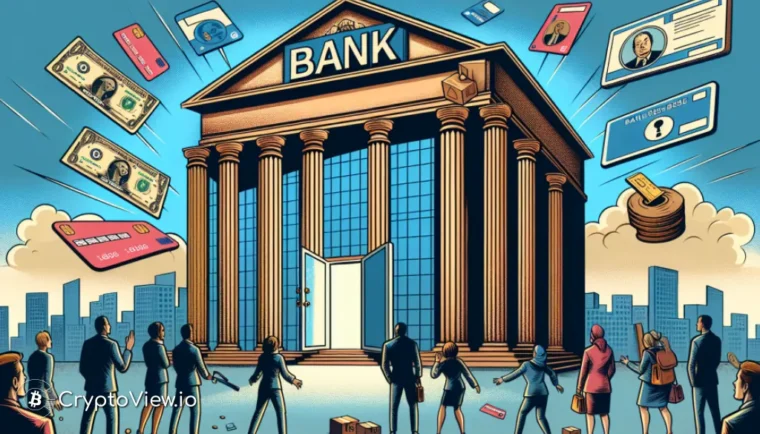
Have you heard about the controversy surrounding Wells Fargo Debanks Customers? It appears that this financial giant is under fire from state attorneys general for allegedly closing customers’ accounts without prior notice. A collective of 16 attorneys general from various states have rallied together, directing their concerns to Wells Fargo’s CEO, Charles Scharf. They’re demanding a halt to what they perceive as discriminatory debanking practices, which they argue could be infringing on state laws.
The Allegations Against Wells Fargo
The crux of the matter lies in the accusation that Wells Fargo is engaging in a form of discrimination based on Environmental, Social, and Corporate Governance (ESG) objectives. This approach to banking, the attorneys general argue, unfairly targets certain groups, including political figures and industries, notably those linked to the Republican Party and the firearms sector. The call to action is clear: Wells Fargo is urged to commit to serving all Americans in a manner that is fair, non-discriminatory, and lawful.
Two notable instances cited involve former Republican candidates Lauren Witzke and Pete D’Abrosca, whose accounts were reportedly closed on the same day in 2021. This move by Wells Fargo has sparked a broader debate on the potential for banks to leverage financial services as a means to exert political or ideological influence.
The Broader Implications
This situation raises significant questions about the role of financial institutions in society and their power over individuals’ and entities’ access to essential financial services. If a bank can close accounts based on political views or affiliations, what precedent does that set for the future? The attorneys general are not only seeking answers but are also calling for Wells Fargo to publicly address and rectify these debanking policies.
The implications of such practices are vast, touching on issues of civil rights, the freedom of expression, and the potential for economic exclusion based on subjective criteria. The debate is not just about Wells Fargo but about the banking sector’s responsibilities and the need for transparency and fairness in financial services.
What’s Next for Wells Fargo?
With a deadline set for Wells Fargo to respond to these concerns, the financial community and the public alike are watching closely. The outcome of this situation could have far-reaching consequences for banking practices and regulations, especially concerning how banks evaluate and manage customer relationships.
As this story unfolds, it’s an opportune moment to reflect on the broader implications of financial services and their role in society. For those interested in the intersection of finance, technology, and societal impact, exploring platforms like cryptoview.io can offer insights into how digital assets and cryptocurrencies might play a role in fostering a more inclusive financial ecosystem.
Discover Insights with CryptoView.ioIn conclusion, the case of Wells Fargo Debanks Customers is more than just a dispute between a bank and state legal authorities; it’s a litmus test for the ethical and legal boundaries of banking practices in the modern era. As we await Wells Fargo’s response, the broader dialogue about fairness, discrimination, and the right to access financial services continues.


