
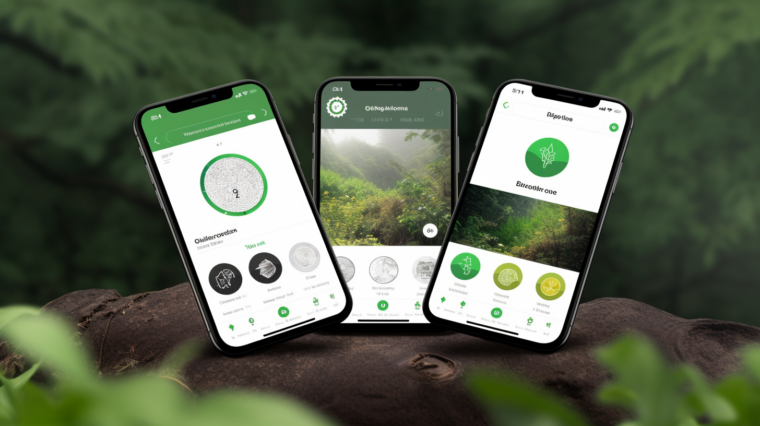
Non-custodial crypto is rapidly becoming a cornerstone in the fintech industry, as companies strive to empower users with the ability to manage their own digital assets. Among the frontrunners in this trend is Eco, a fintech wallet app that is making significant strides towards self-custody.
Steering Towards Self-Custody
Eco, previously a custodial solution, has announced a substantial shift towards non-custodial crypto. The company’s CEO, Andy Bromberg, emphasized that the move was in response to the growing need for “truly crypto side of things.” Bromberg added that custodial crypto products no longer made sense in the current market climate.
There are a couple of reasons behind this shift. Firstly, the U.S., where Eco primarily operates, has seen a stringent regulatory crackdown on custodial products. Secondly, the current market environment is not conducive for custodial platforms, which Bromberg likened to “playing with ankle weights.”
The Rise of Beam Wallet
One of the most significant beneficiaries of this shift is the Beam wallet, Eco’s second product. Launched in late July, Beam has been designed with a non-custodial approach, leveraging advanced Web3 technology despite its Web2 interface.
The wallet makes use of account abstraction, an Ethereum upgrade that simplifies the process of sending crypto, akin to sending emails. Beam’s rapid growth in regions such as Indonesia, Nigeria, and Vietnam is a testament to its potential in the non-custodial crypto space.
Looking Ahead
Bromberg envisions a future where decentralized currencies are the norm, with his company’s Eco currency leading the way. The support from heavyweight investors like Andreesen Horowitz and Kevin Durant is indicative of the growing belief in this vision. “If the future is custodial, we failed,” Bromberg concluded, underlining the importance of non-custodial crypto in the future of finance.
For those looking to stay ahead in the world of crypto, applications like cryptoview.io provide comprehensive insights and real-time data, empowering users to make informed decisions.


