
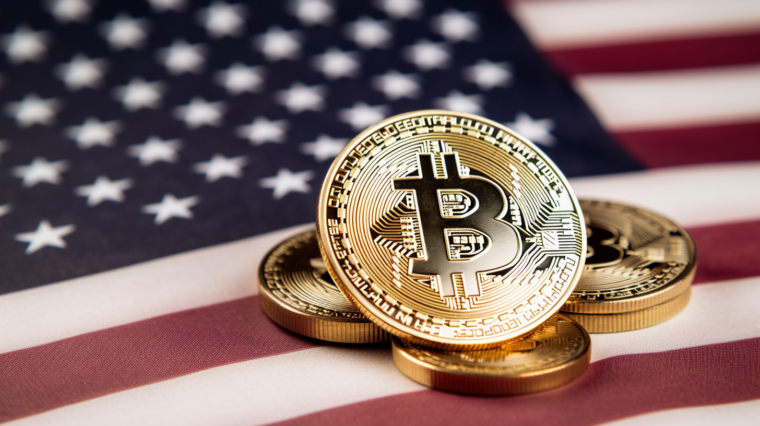
Answering the question posed in our title, yes, the Chamber of Digital Commerce has indeed filed an amicus curiae in the SEC-Coinbase case. This audacious move is a clear challenge to the SEC’s approach towards the burgeoning digital asset industry, which the Chamber believes lacks adequate legislative backing. The Chamber is not just standing on the sidelines; it has been actively advocating for regulatory clarity and compliance in the crypto space, even working alongside the SEC on various initiatives.
The Chamber’s Bold Initiative
The Chamber of Digital Commerce has decided to take the bull by the horns, plunging into the SEC-Coinbase case with an amicus curiae brief. Their objective is straightforward: to contest the SEC’s attempts to regulate the blossoming digital asset industry without clear legislative authorization. The Chamber’s commitment to compliance is reflected in their numerous initiatives, such as the Blockchain Alliance, which has been combating illicit uses of blockchain since 2015. They are no strangers to the regulatory tango, boasting a clientele that includes the SEC itself.
The SEC’s Ambiguous Approach to Digital Assets
The SEC’s ongoing lawsuit against Coinbase is the latest in a series of actions that seem to indicate an aggressive stance against digital currencies. The industry has long been calling for regulatory clarity from the SEC, particularly regarding the distinction between digital assets and securities. However, instead of working with the industry, the SEC appears to prefer maintaining an air of ambiguity. This leaves industry participants in a state of uncertainty, constantly wondering if they’ll be next in the SEC’s line of fire. Coinbase, however, is pushing back, questioning the SEC’s claim that certain digital assets are equivalent to “investment contracts” under securities laws.
Implications for the Digital Asset Industry
The SEC’s stance on digital assets is not just a matter of market speculation or investment portfolios. Digital assets have become an integral part of the global economy and the financial landscape of the United States. They are used not just for trading, but for everyday financial activities by ordinary Americans. The SEC’s puzzling position is not just hindering the industry’s growth; it’s impacting millions of Americans who have incorporated digital assets into their daily lives. As a result of this regulatory fog, many startups are looking for more friendly regulatory environments.
With the Chamber of Digital Commerce filing an amicus curiae in the SEC-Coinbase case, the question now is whether the SEC can single-handedly determine the future of the U.S. digital asset industry. Ongoing discussions in Congress, especially in light of recent judgments involving Ripple Labs and Terraform Labs, suggest otherwise.
As we continue to navigate these choppy regulatory waters, keeping abreast of the latest developments is essential. Tools like cryptoview.io can provide valuable insights into the crypto market, helping you make informed decisions.


