
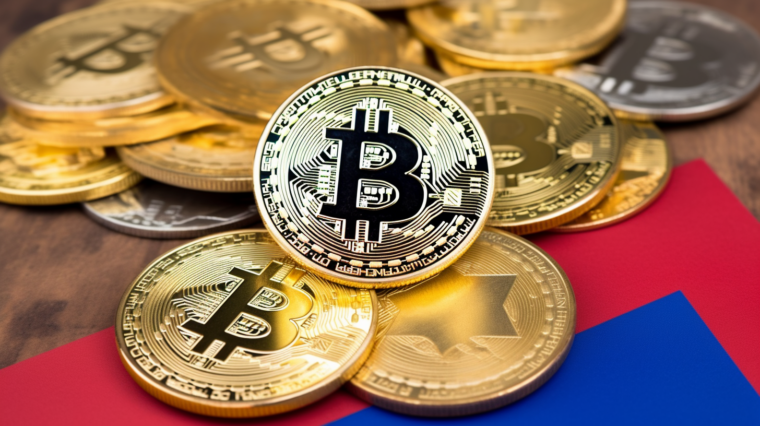
As the world grapples with economic uncertainties, the question of how cryptocurrencies fit into the global financial structure remains a hot topic. One country that has been thrust into the limelight in this discussion is Venezuela, a nation grappling with hyperinflation and political unrest. Amid these challenges, the question arises: amid hyperinflation, how can you report your web3 gaming power?
Understanding Venezuela’s Crypto Position
Venezuela’s economic woes have positioned it as a possible contender for widespread adoption of cryptocurrencies like Bitcoin. However, a recent study by Chainalysis reveals that Venezuela ranks only fifth in Latin America for total crypto value received, and doesn’t even make the top 20 globally. This, despite the country’s rampant inflation and political instability, which have been touted as potential drivers for crypto adoption.
The Real Currency of Interest
According to Javier Bastardo, organizer of Satoshi in Venezuela and Bitfinex’s Bitcoin ambassador to Latin America, the reality might not align with the expectations of Bitcoin enthusiasts. He argues that Venezuelans are more inclined towards the global reserve currency – the U.S. dollar. This is echoed by Kevin Hernández, founder of Venezuelan media outlet Criptodemia, who notes that the economic uncertainty in Venezuela pushes people towards products with less friction, like Zinli, which provides easy access to dollars.
Crypto’s Role in Political Resistance
Another factor touted as a potential driver for crypto adoption in Venezuela is its authoritarian regime. Chainalysis’ report highlights how cryptocurrencies could enable citizens to resist the oppression of the Maduro regime. Opposition leader Leopoldo López has even discussed the use of crypto to provide financial aid during the COVID-19 pandemic and as a tool of resistance against the regime. However, both Bastardo and Hernández suggest that this is only a partial truth, and that crypto usage by the population is minor.
Centralized exchanges dominate the Latin American crypto scene, with over 60% of users preferring them over their decentralized counterparts. This is attributed to their ease of use, better liquidity, and trust factor. Jazmín Jorquera, Chief Operations Officer for Buda.com, suggests that the risk associated with peer-to-peer platforms also contributes to this preference.
As we delve deeper into the world of cryptocurrencies and their potential impact on economies like Venezuela, it’s important to stay informed and keep an eye on the evolving landscape. Tools like cryptoview.io can be invaluable in helping you navigate this complex terrain.
Ultimately, while the narrative that hyperinflated countries will naturally gravitate towards Bitcoin may be compelling, it’s clear that the reality on the ground in places like Venezuela is much more nuanced. The quest for stability and ease of access to dollars still reigns supreme, even amid the country’s hyperinflation scenario.


