
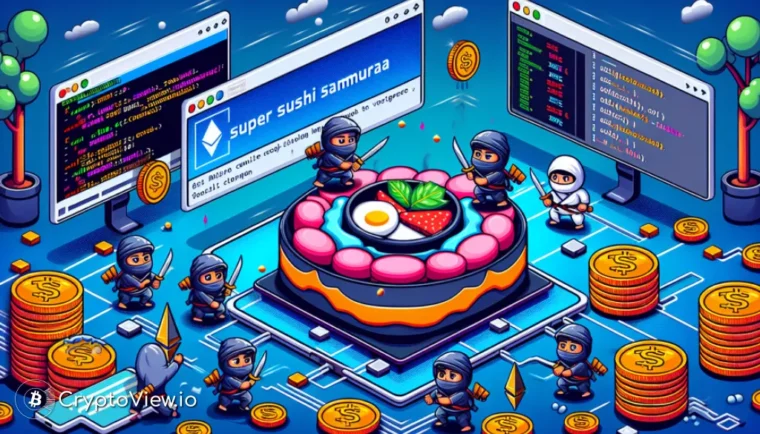
Recently, the Ethereum Layer-2 Scaler Blast became the focal point of attention when an unidentified group compromised a game operating on this cutting-edge platform. The incident, which resulted in the temporary halt of token transfers for the game Super Sushi Samurai, underscores the potential vulnerabilities in emerging blockchain technologies. An attacker found a loophole that enabled the duplication of tokens by sending them to themselves, leading to an unauthorized minting and sale of tokens.
Understanding the Incident
The security breach, initially alarming, was later classified as a white hat rescue. This term refers to a scenario where a hacker identifies and exploits a flaw in a system to highlight its weaknesses without malicious intent. The Super Sushi Samurai team has acknowledged the breach and is collaborating with the hacker for the safe retrieval of the funds. Notably, the breach impacted $4.6 million worth of tokens, as confirmed by the cybersecurity firm CertiK.
Risks and Criticisms
The Blast Network, despite its promising capabilities for Ethereum scaling, has faced skepticism from the cryptocurrency community. Concerns have been raised about the trust model it employs, which requires users to depend on a small group of operators for the security of their funds. This model, as pointed out by a Polygon Labs engineer, poses significant risks, especially since there is no direct mechanism for users to retrieve their funds without the consent of these operators.
Looking Ahead
As the Ethereum ecosystem continues to evolve, incidents like these serve as crucial learning opportunities. They emphasize the need for rigorous security measures and transparent communication between project teams and their communities. For enthusiasts and investors keeping a close eye on developments within the Ethereum Layer-2 space, tools like cryptoview.io can provide valuable insights and updates, ensuring they stay informed and ahead of the curve.
Find opportunities with CryptoView.io

