
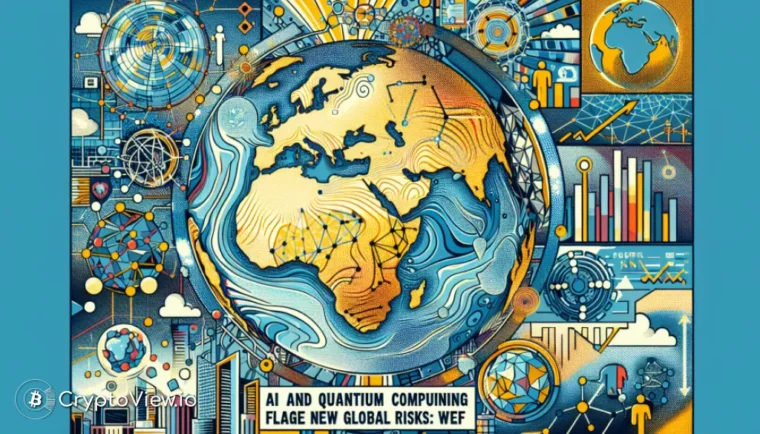
For almost two decades, the World Economic Forum (WEF) has been releasing its Global Risks Report annually. The 19th edition of the report introduces a new global threat with a dedicated section exploring its implications: artificial intelligence (AI). The report sheds light on the most severe risks we might encounter in the next decade, including climate change, geopolitical power shifts, human migration, and the rapid pace of technological advancements. The 2024 edition paints a predominantly negative picture of the world’s outlook over the next two years, which is expected to worsen over the next decade.
The Pervasive Influence of AI
The WEF report delves into the wide-ranging implications of AI. In the healthcare sector, it raises concerns about the ethical use of data, highlighting potential biases in medical research and development that could favor wealthier populations. The report also warns of the potential for AI tools to be used in the creation of more targeted and severe biological weapons. This reflects broader concerns about AI exacerbating economic disparities, especially between high- and low-income countries.
Quantum Computing: A Potential Disruptor
Quantum computing, a field heavily reliant on AI, is identified as a potential disruptor in the report. It threatens the existing tech regime and poses significant security risks. The report also warns that the increasing integration of AI into military applications will put pressure on ethics and human rights, especially in relation to autonomous weapons systems. The report also mentions the possibility of ‘harvest attacks’ by criminal actors in anticipation of a cryptographically significant computer.
AI and the Global Job Market
The report also discusses the impact of AI on the global job market, predicting significant disruption across various sectors. While AI may create new job opportunities, it could also lead to substantial job losses, exacerbating economic instability. The WEF calls for greater public awareness and education in AI and its regulation to address these risks.
AI has become a topic of intense debate and concern among global leaders. The recent international declaration on AI safety, signed by leaders from 29 countries and the EU, underscores the urgency of managing this emerging technology. However, the UK has announced that it will not regulate AI in the near future, prioritizing innovation over restrictions. But it recently started to investigate whether the OpenAI-Microsoft partnership might violate antitrust laws.
As we navigate the complexities of AI and Quantum Computing, it’s crucial to stay updated on the latest developments in the crypto world. A platform like cryptoview.io can be a valuable resource for staying informed and making smart decisions in this rapidly evolving landscape.
The WEF report’s warnings highlight the need for careful management and regulation of AI and quantum computing. As these technologies continue to evolve, it’s essential to ensure they are used responsibly and ethically to minimize their potential risks.


