
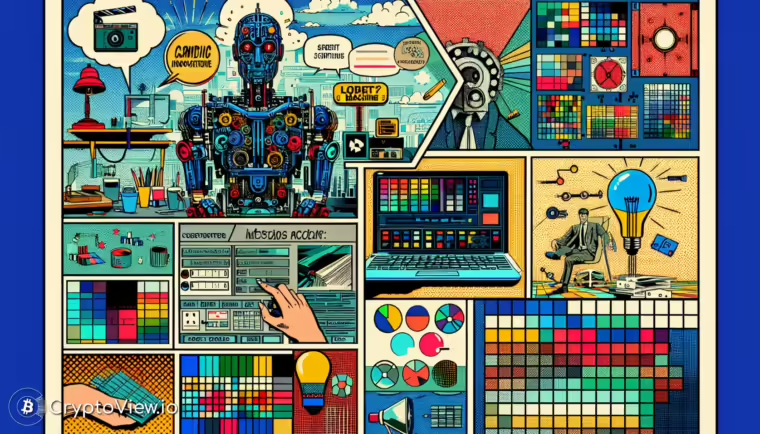
As we traverse further into the digital age, the way we create and consume art continues to evolve. One such example of this evolution is the Lore Machine AI Tool, a platform designed to assist screenwriters and other creatives in visualizing their narratives. Based in Los Angeles, Lore Machine is a pioneering force in the realm of generative AI image tools, reshaping the landscape of artistic creation in 2023.
Unveiling the Power of Lore Machine
Originally conceived as a tool to help screenwriters visualize their scripts, the Lore Machine AI Tool has expanded its reach to cater to a broader spectrum of Hollywood creatives. The tool offers a unique solution to the challenges faced by screenwriters, producers, and directors in communicating their visions and establishing a consensus among key stakeholders and crew members. Lore Machine’s founder, Thobey Campion, believes that the tool can serve as a powerful ally in the Hollywood production system.
By leveraging the capabilities of OpenAI’s GPT and Stability AI’s Stable Diffusion, Lore Machine creates visually appealing presentations such as storyboards, comic books, and motion graphics. These visuals are generated based on scripts, books, and articles uploaded by users, offering a versatile and customizable experience.
Anticipated Launch and Market Reception
With a waitlist of 25,000 people, the Lore Machine AI Tool has generated significant anticipation ahead of its expected launch in 2024. The platform has also attracted interest from the game development community and film studios, indicating its potential for widespread adoption.
Users will have the ability to customize text and image descriptions within the Lore Machine interface, as well as select different image styles, including fantasy, anime, and cyberpunk. The company plans to cater to the collaborative nature of the industry by offering unlimited accounts and licensed seats for power users.
Addressing Concerns and Future Prospects
While AI’s role in art creation has raised concerns about copyright infringement and intellectual property protection, Lore Machine has taken steps to address these issues. The platform uses a proprietary file format called “.lore” that is stored in the cloud and records story decisions, style, and text owned by the user. This approach not only ensures user ownership but also encourages collaboration and creativity.
Despite the complexities introduced by generative technologies, Campion remains optimistic about the future of AI in storytelling. He believes that the Lore Machine AI Tool can transform content creation in a way similar to how Robert Moog’s synthesizer revolutionized music in 1964.
As we navigate the future of creative industries, applications like cryptoview.io and Lore Machine are set to play a pivotal role. These tools not only enhance the creative process but also open up new avenues for artistic expression.
Explore cryptoview.io now

