
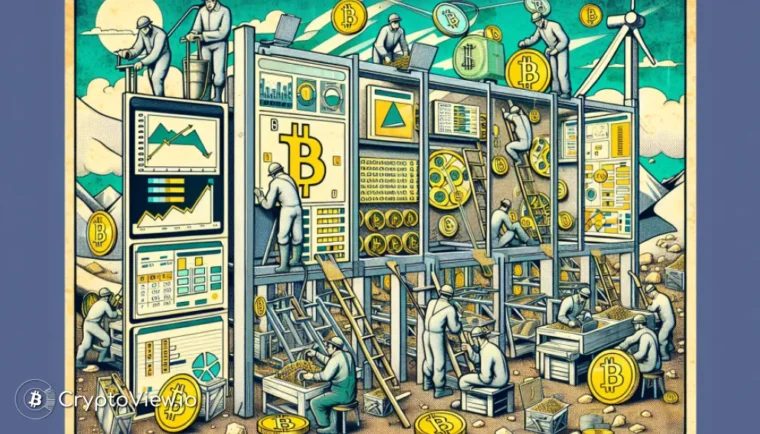
Exploring the Bitcoin halving impact on miners reveals a multifaceted scenario that goes beyond mere profitability concerns. The halving event, a significant milestone in Bitcoin’s timeline, not only influences the market dynamics but also miner behaviors and the broader ecosystem’s sustainability. While some view it as a challenging period, others see it as an opportunity for growth and consolidation within the industry.
The Dynamics of Halving and Miner Profitability
At its core, the Bitcoin halving event reduces the reward for mining new blocks by half, a mechanism designed to control the supply of Bitcoin and mimic the scarcity of precious metals. This reduction in rewards can lead to concerns about profitability for miners, especially when Bitcoin’s price is not sufficiently high to offset the decreased rewards. However, the situation is not as dire as it might seem. Many mining operations have prepared for this eventuality, ensuring their sustainability through technological advancements and efficiency improvements. Furthermore, the higher Bitcoin’s price, the less significant the impact of halving on miners’ profitability.
Despite the immediate challenges, the halving can lead to industry consolidation. Smaller, less efficient mining operations may struggle to stay afloat, paving the way for larger entities to dominate. This consolidation could lead to a more stable and robust mining ecosystem, capable of weathering the volatility inherent in cryptocurrency markets.
Supply Shock and Market Dynamics
The concept of a supply shock following the halving event is a topic of much debate. While some experts predict a significant impact on Bitcoin’s price due to reduced supply hitting the market, others argue that the effect may be overstated. The halving reduces the amount of new Bitcoin entering circulation, which, in theory, could lead to a price increase if demand remains constant or grows. However, the cryptocurrency market is influenced by a myriad of factors, making it difficult to isolate the effect of halving on price.
Moreover, the potential for a “sell-the-news” reaction post-halving cannot be dismissed. This phenomenon, where traders sell their holdings in anticipation of a price drop after a widely anticipated event, could temporarily affect Bitcoin’s price. Nonetheless, historical patterns suggest that Bitcoin has the resilience to recover and even appreciate in value following halving events, despite short-term fluctuations.
Looking Ahead: The Future of Bitcoin Mining
As the dust settles after a halving event, the long-term outlook for Bitcoin mining remains positive. Innovations in mining technology and strategies for enhancing efficiency continue to evolve, enabling miners to adapt to the new reward structure. Moreover, the industry’s movement towards renewable energy sources and sustainable practices is likely to improve its public perception and regulatory standing.
For those keen on navigating the complexities of the cryptocurrency market, especially in the context of mining and investment opportunities, tools like cryptoview.io offer valuable insights and analysis. By leveraging such platforms, individuals and businesses can make informed decisions, capitalizing on the dynamic landscape of cryptocurrency mining and trading.
Find opportunities with CryptoView.io

