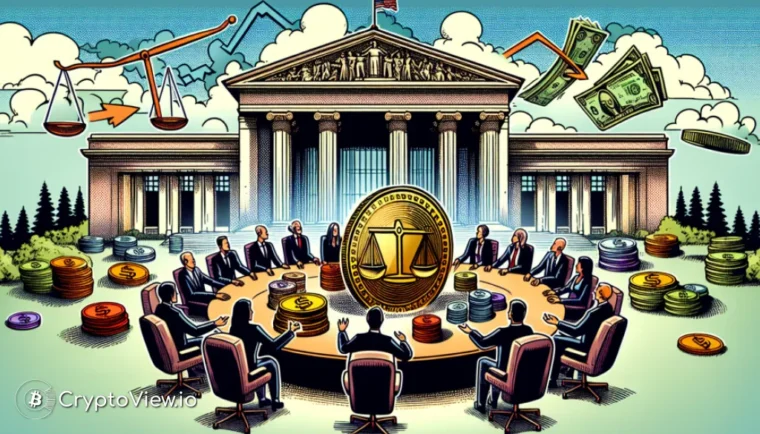
Boasting a collective market capitalization well over $150 billion as of late 2025, stablecoins are no longer a fringe asset; their burgeoning presence means that Stablecoins influence monetary policy in ways central banks and traditional economists are only beginning to fully grasp. These digital assets, predominantly pegged to the US dollar, are reshaping demand for traditional financial instruments like Treasuries, prompting significant discussion among policymakers.
The Expanding Digital Demand for Dollar Assets
The rise of stablecoins has introduced a fascinating dynamic to global finance: a significant uptick in the demand for dollar-denominated assets, particularly U.S. Treasuries. As these digital currencies strive to maintain their peg, they often hold substantial reserves in highly liquid, low-risk instruments. A Federal Reserve governor previously noted this trend, observing that the increasing popularity of stablecoins directly translates into greater appetite for dollar-tied investments. This mechanism effectively funnels capital from the burgeoning digital economy into traditional financial markets, creating a new, albeit indirect, channel for dollar demand.
This shift isn’t just a technicality; it has real-world implications. The continuous accumulation of Treasuries by stablecoin issuers could subtly alter market dynamics, potentially impacting bond yields and the overall cost of government borrowing. It’s a testament to how deeply intertwined the crypto ecosystem is becoming with established financial structures, far beyond initial expectations of a separate, parallel system.
Stablecoins’ Impact on Central Bank Operations and Interest Rates
The growing footprint of stablecoins poses intriguing questions for central banks, especially concerning their monetary policy toolkit. When Stablecoins influence monetary policy through increased demand for secure assets like Treasuries, the effects can ripple through the financial system. This heightened demand could push up the prices of these assets, leading to a corresponding downward pressure on their yields, which are effectively interest rates. Such a scenario might compel central bankers to reassess their existing frameworks for managing liquidity and setting benchmark interest rates.
A senior Federal Reserve official once highlighted that if stablecoins achieve a substantial enough scale, they could even affect the composition of the Federal Reserve’s balance sheet. This suggests a future where central banks might need to factor stablecoin-driven demand into their open market operations and quantitative easing/tightening strategies. The interplay between digital assets and traditional banking mechanisms is evolving rapidly, demanding continuous monitoring and agile policy adaptations to ensure economic stability without stifling innovation.
Navigating the Regulatory Landscape for Digital Stability
The potential for Stablecoins influence monetary policy underscores the critical need for robust and adaptive regulatory frameworks. Policymakers are faced with the delicate task of integrating these innovative financial technologies while simultaneously safeguarding the stability of the broader financial system. Proactive regulatory action is paramount to mitigate systemic risks that could arise from poorly managed stablecoin reserves or sudden market dislocations.
Regulators and financial institutions are urged to foster collaborative efforts to adapt to these technological advancements. This cooperation is vital to ensure that stablecoins contribute positively to the financial ecosystem, enhancing efficiency and accessibility, rather than introducing unforeseen economic disruptions. Understanding the scale and speed of stablecoins’ impact on the monetary system is crucial for crafting regulations that promote innovation while maintaining market integrity. It’s not just about preventing harm, but also about harnessing the potential benefits.
The Evolving Financial Ecosystem: A Call for Adaptation
As digital assets gain traction, the role of regulators becomes increasingly critical in setting adaptive frameworks. The goal is to ensure that stablecoins enhance, rather than compromise, economic well-being. This involves a continuous dialogue between innovators, market participants, and regulatory bodies to anticipate challenges and develop solutions that are both effective and forward-looking. The global financial landscape is undergoing a profound transformation, and the integration of stablecoins is a significant part of this evolution.
For those looking to navigate these complex market dynamics, staying informed with real-time data and expert analysis is key. Platforms like cryptoview.io offer comprehensive tools to track stablecoin trends and their broader market implications, helping investors and analysts alike make informed decisions. It’s an exciting time to be in crypto, and understanding these macro shifts is more important than ever. Find opportunities with CryptoView.io