
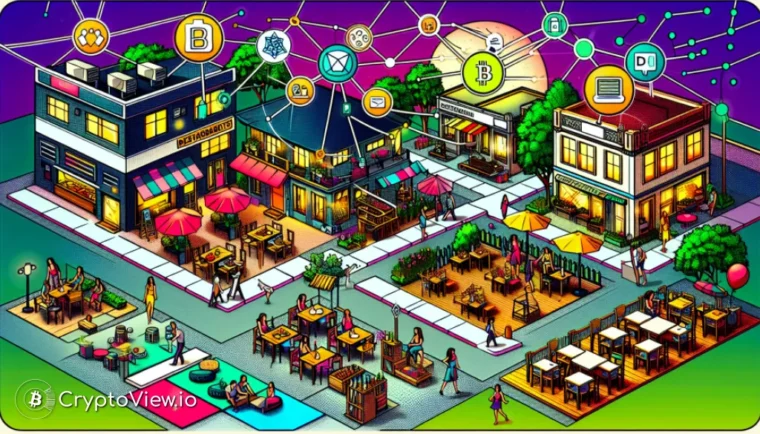
Are Decentralized Physical Infrastructure Networks (DePINs) the future of how we manage and interact with our physical world? At its core, DePINs leverage blockchain technology to apply decentralized principles to tangible infrastructure, such as energy grids and supply chains. This innovative approach promises a more equitable, efficient, and transparent system by distributing control across a network, rather than centralizing it within a single authority. The implications? A fairer reward structure and a system that adapts more readily to human needs.
Understanding the Basics of DePINs
The advent of blockchain has already transformed our digital interactions, introducing concepts like decentralized finance (DeFi) and non-fungible tokens (NFTs). DePINs extend this digital decentralization into the physical realm, offering a new way to manage resources like energy and data. By enabling real-time, autonomous interactions through technologies such as smart contracts and the Internet of Things (IoT), DePINs enhance system responsiveness and security. Imagine a world where energy trading or supply chain management is not only more transparent but also more adaptive to our immediate needs.
How DePINs Work
At the heart of DePINs is the use of blockchain technology to decentralize authority and management. This approach can revolutionize various sectors, from energy trading and telecommunication management to data storage. For example, a DePIN-based energy grid would allow households with solar panels to sell excess energy directly to neighbors, bypassing traditional utility providers. This system is not only more sustainable but also ensures transparency and reliability through blockchain-recorded transactions. Smart contracts facilitate these transactions, guaranteeing efficiency and trust among parties.
The Potential and Challenges of DePINs
DePINs hold the promise of building infrastructure networks that are faster, more aligned with local market needs, and significantly more cost-effective. They offer a permissionless model for scaling across jurisdictions, creating networks that are neutral and collectively owned. However, as with any emerging technology, DePINs face challenges such as vulnerability to hacks and the technical expertise required for operation. Despite these hurdles, the potential benefits of decentralized control, reduced costs, and enhanced efficiency make DePINs an exciting development in the realm of physical infrastructure.
As the digital world continues to evolve, tools like cryptoview.io become invaluable for navigating the complexities of blockchain and cryptocurrency markets. Whether you’re interested in the latest DePIN projects or seeking to understand the broader landscape of digital assets, cryptoview.io offers insights and opportunities to stay ahead.
Explore more with CryptoView.io

