
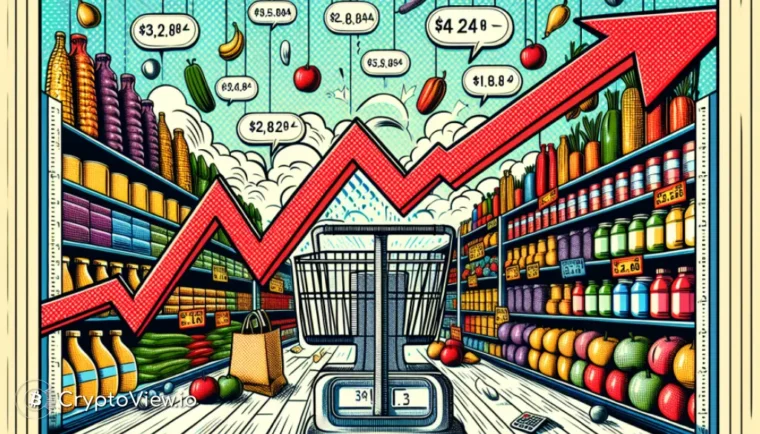
Amidst the political arena’s heated debates, a critical factor emerges as a potential game-changer for the upcoming presidential election: skyrocketing food prices. This surge in grocery costs, highlighted by a significant increase since the pandemic’s onset, is not just a statistic but a daily struggle for American families, reflecting on the broader economic challenges under the current administration.
The Impact of Soaring Grocery Bills
The escalating cost of living, particularly evident in grocery aisles, poses a significant challenge to President Joe Biden’s portrayal of a strengthening economy. This situation has been exacerbated by the pandemic, with grocery prices jumping more than 25%, outpacing the general inflation rate. This relentless climb in food prices serves as a constant reminder of the financial pressures facing households, especially as they navigate the recovery phase of the pandemic.
Former President Donald Trump has been vocal about the adverse effects of Biden’s economic policies on food prices, claiming dramatic increases that resonate with many Americans’ experiences. This issue has not only become a talking point for political debates but also a crucial concern for voters, potentially influencing their preferences in future elections.
Addressing Public Frustration
In response to growing public frustration, the Biden administration has taken a multifaceted approach. Accusations have been levied against food companies and grocery chains for exploiting market power to boost profits at consumers’ expense. Moreover, the phenomenon of “shrinkflation”—reducing product sizes while maintaining prices—has been publicly lamented, highlighting the administration’s awareness and concern over these practices.
However, despite these efforts, the continued rise in food costs has started to impact support for Biden, particularly among key constituencies such as minority groups and low-income families. These groups are disproportionately affected due to their higher relative spending on food, making this issue not just economic but deeply personal.
The Political Ramifications of Grocery Inflation
The political implications of grocery inflation are becoming increasingly evident, with shifts in voter preferences in pivotal states like Georgia, where lower-income voters have shown a preference for Trump over Biden. This trend underscores the potential of grocery prices to sway electoral dynamics, a concern that surpasses other expenditure categories for a vast majority of consumers.
As the debate rages on, with some economists attributing the sustained price hikes to factors beyond corporate control, the immediate outlook for grocery prices remains worrisome. With few expecting significant relief before the next election, this issue is poised to remain at the forefront of political and economic discussions.
For those interested in exploring the intersection of economics and politics further, cryptoview.io offers insightful analyses and perspectives. This application can provide a deeper understanding of how economic trends influence political landscapes and vice versa.
Discover insights with CryptoView.io

