
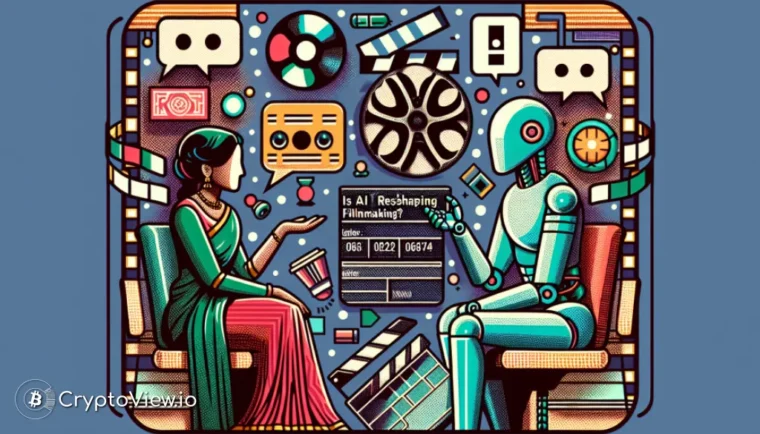
The recent AI-altered ending of the Bollywood film Raanjhanaa, now titled Ambikapathy, has ignited the AI film editing controversy, raising questions about artistic integrity in the age of artificial intelligence. The modification, impacting less than 5% of the film, aims for cultural sensitivity towards Tamil audiences, but has sparked debate about creator rights and the future of filmmaking.
AI’s Role in the Raanjhanaa Remake
Eros International, the production company behind the film, maintains that AI served as a “creative tool” under human supervision. They claim the changes, confined to the final act, offer an alternate emotional resolution tailored to the Tamil market. However, the lack of specific details on the AI’s application leaves room for skepticism, with some critics, like those at Pivot to AI, labeling it a publicity stunt given current AI video generation limitations. The controversy surrounding the film highlights the growing tension between technological advancement and artistic control. It begs the question: are we entering an era where algorithms dictate creative choices? While Eros International insists this was a “curated strategy” based on “responsible innovation,” the original director, Aanand L. Rai, vehemently opposes the release, citing a violation of artistic consent.
The AI Film Editing Controversy: A Legal and Ethical Minefield
Rai’s production company, Colour Yellow, is currently embroiled in a dispute with Eros International, highlighting the legal and ethical implications of AI-driven alterations. The core issue revolves around creative ownership and the potential for AI to undermine the director’s vision. This incident echoes broader concerns in the film industry, recalling the 2023 SAG-AFTRA strike, where AI’s role in filmmaking was a central point of contention. The AI film editing controversy underscores the urgent need for clear guidelines and regulations surrounding AI’s use in creative fields. As AI technology continues to advance, protecting artistic integrity and ensuring creator consent will be crucial.
The Future of AI in Film: Innovation or Infringement?
Eros International plans to review its extensive library of over 4,000 films for similar AI modifications, signaling a potential shift in the film industry landscape. While the company frames this as offering “alternate lenses,” critics worry about the slippery slope towards AI-generated content replacing human creativity. The debate extends beyond technical capabilities to encompass fundamental questions about artistic expression and the value of human input. This incident could be a watershed moment, forcing the industry to grapple with the long-term implications of AI integration. Tools like cryptoview.io can offer insights into market trends and emerging technologies, helping creators navigate this evolving landscape. Find opportunities with CryptoView.io
Publicity Stunt or Technological Leap?
Some industry observers, like David Gerard of pivot-to-ai.com, dismiss the Raanjhanaa remake as a publicity stunt, citing the limitations of current AI video generation technology. They argue that AI, while capable of generating impressive demos, still struggles with script adherence and consistent character portrayal. This skepticism highlights the need for transparency and detailed disclosure regarding AI’s role in creative projects. As AI continues to develop, distinguishing genuine innovation from marketing tactics will become increasingly important. The Raanjhanaa incident serves as a reminder that technological advancements should not overshadow ethical considerations and artistic integrity. *HODL* your creative vision, and don’t let algorithms dictate the future of art.


