What if we told you that the future of Bitcoin adoption could rest in the hands of a Salvadoran entrepreneur and a Lightning-enabled ATM? As we explore the burgeoning Bitcoin landscape in El Salvador, we’re introduced to key players who are not only accelerating Bitcoin adoption but also paving the way for foreign investors to launch Bitcoin-centric ventures.
The Magic of ‘Stacking Sats’
With the current market value of Bitcoin hovering around $29,500, owning a whole Bitcoin remains a distant dream for many. However, the divisibility of Bitcoin into a hundred million sub-units, known as ‘satoshis’, enables individuals to invest in smaller increments, a practice referred to as ‘stacking sats’. This, coupled with Layer Two (L2) integrations such as the Lightning Network, is increasingly viewed as the key to expanding Bitcoin’s use cases and cementing its role as a commercial medium of exchange.
Lightning Strikes with K1
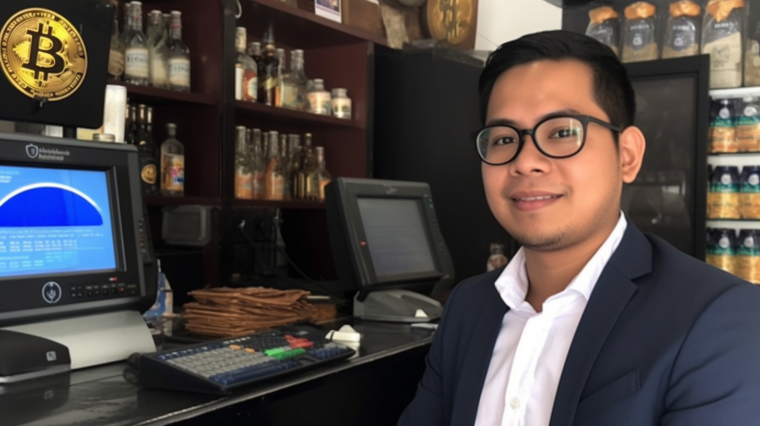
Enter Edgar Borja, a Salvadoran entrepreneur and founder of K1, who has developed a Lightning-enabled ATM that significantly cuts down the costs associated with fiat-to-bitcoin conversions compared to other Bitcoin on-ramps utilizing the Layer One (L1) blockchain. This innovative device, which resembles a mini slot machine, accepts coins and facilitates instantaneous transactions with no fees, bringing fluidity and ease to Bitcoin transactions.
Business owners can purchase these Lightning ATMs for $1,200 with no subsequent recurring fees, enabling them to set their own usage fee. By reducing the barriers to entry for fiat-to-bitcoin conversion, K1 ATMs could potentially cater to a broader market than those ATMs relying on the L1 blockchain with higher fees.
Bitcoin and the Salvadoran Business Landscape
El Salvador’s government is actively courting American entrepreneurs and investors, fostering a business-friendly climate ripe for Bitcoin-based enterprises. The El Salvador Bitcoin Association (ASOBITCOIN), closely aligned with the government-sanctioned Bitcoin office, assists investors in gaining approval for their projects from the relevant authorities.
While Salvadoran banks are yet to fully embrace Bitcoin due to their integration with legacy systems like SWIFT, non-bank services are bridging the gap by accepting the digital commodity and issuing cashier’s checks that can be deposited into regular bank accounts.
Despite the challenges, there’s a sense of optimism about the potential for Bitcoin applications in various sectors, including real estate and coffee farming. The blockchain could provide solutions to existing problems and inefficiencies in the economy, creating substantial opportunities for enterprising individuals.
As we continue to navigate the fascinating world of Bitcoin adoption, tools like cryptoview.io can provide valuable insights into the crypto market. This platform allows users to track their portfolio, analyze market trends, and make informed decisions.
In conclusion, while the price volatility of Bitcoin may deter some, it’s important to consider the volatility that inflation introduces to the use of fiat. It may be a few years before the Bitcoin network gains the same level of trust as the dollar among the general populace. But with individuals like Borja and Rivas leading the charge, President Bukele’s vision of Bitcoin adoption seems more achievable than ever.