
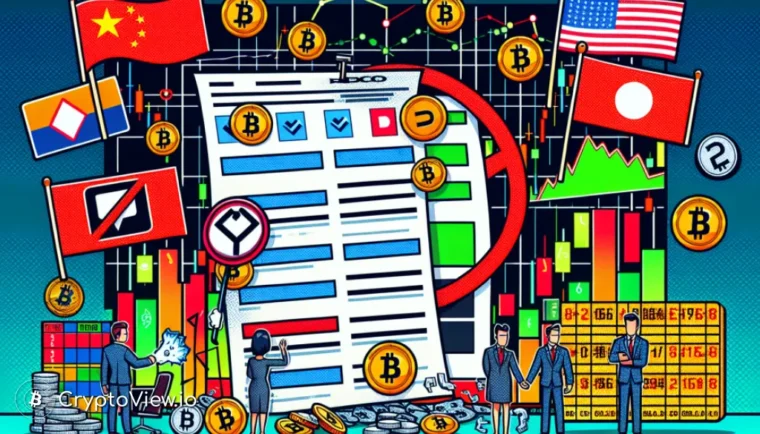
In late 2019, Baidu’s designation on the Pentagon’s blacklist, amid simmering US-China trade tensions, immediately sent ripples through traditional markets. This significant geopolitical development raised considerable alarm among digital asset investors, with many analysts at the time forecasting a notable Baidu Blacklist Crypto Impact, predicting sharp declines in the broader cryptocurrency ecosystem if the dispute escalated further.
Geopolitical Tensions and Market Repercussions
The period witnessed a significant escalation in the ongoing trade dispute between the United States and China. Baidu’s inclusion on a Pentagon blacklist, citing alleged ties to the Chinese military, marked a critical point. Beijing swiftly responded with targeted import tax cuts, signaling a tit-for-tat dynamic that kept global observers on edge. While the surface of US-China relations appeared relatively calm, these underlying frictions were constantly being tested through strategic maneuvers from both sides.
During this volatile time, the broader financial markets were also digesting statements from then-President Trump concerning Iran, which offered some transient reassurance despite his well-known unpredictability. Meanwhile, reports surfaced that Washington was considering new restrictions on specific semiconductor imports from China. Alibaba, another major Chinese entity, announced its intention to pursue all available legal avenues following its designation as a company aiding the Chinese military. This flurry of activity underscored a deepening turbulence beneath the diplomatic surface, creating an environment ripe for market sensitivity.
Monetary Policy & Digital Asset Outlooks
Following a Consumer Price Index report from that era, market expectations had indeed grown for potential US interest rate cuts. Specifically, there was a widespread belief that the Federal Reserve might implement three rate reductions that year. However, with only modest signs of slowing in job growth, analysts generally didn’t anticipate then-Federal Reserve Chair Jerome Powell supporting a cut in the immediate upcoming meetings.
Speculation at the time also centered on figures like former Fed official Kevin Warsh, whose potential influence was thought to possibly delay quantitative easing or even initiate rate reductions by June of that year. Market anxieties surrounding quantitative easing (QE) had somewhat eased after leaks suggested Warsh, if appointed as Fed Chair, might temper his previously hawkish stance on monetary policy. These monetary policy discussions, alongside geopolitical shifts, created a complex backdrop for investors, influencing sentiment across all asset classes, including the nascent digital currency space.
The Anticipated Baidu Blacklist Crypto Impact
As these macroeconomic and geopolitical forces converged, the cryptocurrency market found itself at a crossroads. While the direct correlation between Baidu’s blacklisting and immediate crypto price movements wasn’t always clear-cut, the broader US-China trade tensions were undeniably a major concern for digital asset investors. The prevailing sentiment was that any significant escalation in the dispute could trigger substantial declines across the crypto ecosystem, a fear that kept many on edge, closely monitoring global headlines.
During this period, traditional markets reflected the uncertainty. Futures for the S&P 500 and Nasdaq 100 experienced modest dips, while major tech company shares traded mixed. Europe’s Stoxx 600 index mirrored these losses. Gold and silver, often seen as safe havens, posted slight recoveries. In mainland China and Hong Kong, stocks saw modest declines as investors de-risked ahead of the Lunar New Year holidays. Against this backdrop of traditional market shifts and geopolitical friction, the specter of a significant Baidu Blacklist Crypto Impact loomed large for digital asset traders, with many closely monitoring any signs of escalation, ready to *HODL* or adjust their positions.
Navigating Future Volatility in Crypto
The diplomatic dance between the US and China continued to be a focal point, with discussions of reciprocal visits between leaders, though these remained unconfirmed at the time. The delicate balance of power and economic interdependence meant that any misstep could quickly reignite tensions. For crypto investors, this environment underscored the importance of understanding macro-level risks and their potential ripple effects on digital assets. The decentralized nature of cryptocurrencies often makes them susceptible to broader market sentiment and geopolitical shifts, even if not directly linked to specific company blacklistings.
In today’s dynamic market, staying informed about such global developments is crucial for making strategic decisions. Tools that offer comprehensive market analysis and real-time data can be invaluable. For those looking to gain an edge, platforms like cryptoview.io provide essential insights into market trends and potential opportunities. Find opportunities with CryptoView.io


