
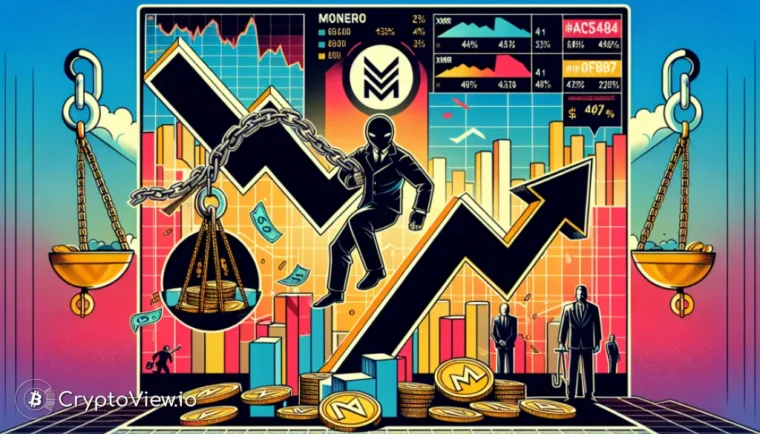
Monero (XMR) experienced a significant downturn, plummeting nearly 20% in the week leading up to January 25, 2026, and a staggering 41% from its January 14 all-time high of $797. This sharp reversal, which saw XMR dip 9.5% to $463 in a single 24-hour period, largely stemmed from a confluence of illicit transaction linkages and escalating regulatory pressures, particularly as India targets privacy coins with new restrictions.
Price of Monero (XMR)
Monero’s Sharp Reversal Amidst Broader Market Chill
While the broader crypto market has felt a chill, Monero’s recent decline has been notably steeper than many of its counterparts. The privacy-focused asset’s price action reset to pre-January 10 levels, effectively incinerating the substantial gains it had accumulated during its mid-month rally. This disproportionate slump highlights XMR’s unique vulnerabilities in the current market climate.
For context, rival privacy coin Zcash (ZEC), despite a challenging start to 2026, only saw a modest 3.1% dip on January 25 and an 8.6% loss over the week. Trading around $357, ZEC maintained a market capitalization of $5.9 billion, still trailing Monero’s valuation by almost $2 billion, even after XMR’s recent haircut. This comparison underscores the specific pressures weighing down Monero.
The Shadow of Illicit Flows and the ‘ZachXBT Effect’
A significant catalyst for Monero’s rapid ascent and subsequent crash appears to be its association with illicit financial activities. Market sentiment took a hit after prominent on-chain investigator ZachXBT brought to light a substantial influx of cybercriminals reportedly swapping $285 million in stolen digital assets for XMR. This surge, driven by what many analysts termed ‘laundering-induced demand,’ created an artificial price spike that was widely considered unsustainable.
Once this cycle of illicit money laundering peaked, the artificial buying pressure quickly evaporated, leaving many retail investors holding the bag as the price began its descent. This scenario serves as a stark reminder of how off-chain events and the perception of a coin’s utility in illicit activities can profoundly impact its market dynamics and investor confidence.
Regulatory Clampdown: As India Targets Privacy Coins
The technical breakdown in Monero’s price was further exacerbated by a significant regulatory development on January 23. Reports indicated that the Indian Financial Intelligence Unit (FIU) issued a directive to domestic exchanges, instructing them to restrict transactions involving privacy-focused cryptocurrencies. This directive specifically named XMR, ZEC, and DASH, citing heightened risks associated with money laundering and terrorism financing.
This move by Indian authorities represents a tightening of the regulatory noose around privacy coin liquidity and mirrors a growing geopolitical trend. India now joins countries like the United Arab Emirates, which implemented similar restrictions on January 12. Such actions from major economies signal an increasingly hostile regulatory landscape for ‘dark’ assets, posing a dual threat to Monero: diminishing speculative interest and a shrinking pool of accessible markets. The global push for greater transparency in crypto transactions means that nations, including India targets privacy coins, are increasingly scrutinizing assets that offer anonymity.
Trend of Monero (XMR)
Future Outlook for Privacy Coins in a Regulated World
The recent events surrounding Monero highlight the ongoing tension between financial privacy and regulatory oversight in the crypto space. As governments worldwide grapple with integrating digital assets into existing financial frameworks, privacy coins often find themselves at the forefront of regulatory scrutiny due to their inherent anonymity features.
For investors, this evolving landscape means increased volatility and the need for careful consideration of regulatory risks. While some argue that privacy is a fundamental right that blockchain technology can provide, regulators prioritize combating financial crime. The path forward for privacy coins will likely involve navigating a complex web of national and international regulations, potentially leading to delistings on compliant exchanges and reduced liquidity. Staying informed on these developments is crucial for anyone involved in the crypto market. For those looking to analyze market trends and stay ahead of regulatory shifts, tools like cryptoview.io can offer valuable insights.
Find opportunities with CryptoView.io

