
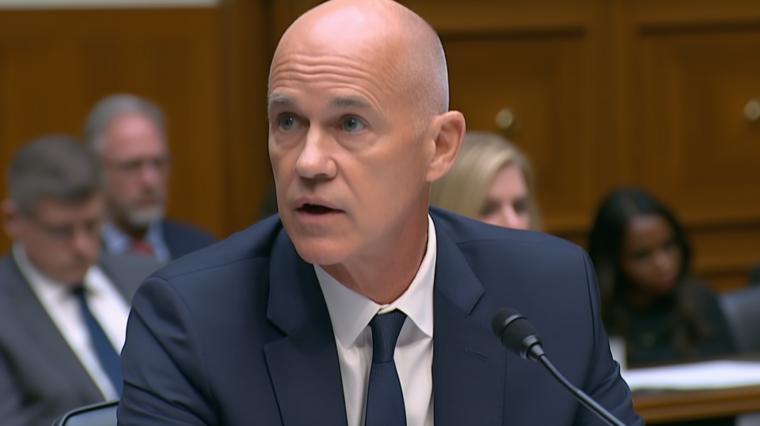
In the wake of a recent ruling that sparked debate over the U.S. Securities and Exchange Commission (SEC)’s jurisdiction over the cryptocurrency sector, industry giants have begun to push back. They’re wielding a potent weapon – the “Supreme Court doctrine” – to challenge the SEC’s authority.
Challenging the Authority of the SEC
Leading the charge is Coinbase, a major player in the cryptocurrency exchange realm. The company has been vocal in its criticism of the SEC’s attempts to regulate crypto issuers and exchanges. In a series of legal filings, Coinbase has questioned the validity of an enforcement action targeting Terraform Labs and their founder, Do Kwon.
At the heart of this dispute is the Supreme Court’s “major questions doctrine”. This doctrine stipulates that significant economic and political issues should be subject to direct Congressional input, rather than being regulated by agencies. However, U.S. District Judge Jed Rakoff has ruled that this doctrine doesn’t apply to the SEC’s actions against Terraform Labs. He argued that the crypto industry doesn’t have the far-reaching economic and political implications necessary for such consideration.
But Coinbase begs to differ. The company’s lawyers have argued that the SEC’s actions are precisely the kind of issues the Supreme Court doctrine was designed to prevent. They have highlighted the political controversy surrounding crypto regulation, pointing out that the SEC initiated its case against them just prior to a Congressional hearing on the agency’s jurisdiction over cryptocurrencies.
Exploring the Economic Impact
By drawing parallels between the crypto industry and established sectors like tobacco and energy, Coinbase has underscored the Supreme Court’s recent rulings in two significant cases: Biden v. Nebraska and Alabama Association of Realtors v. Department of Health and Human Resources. The company argues that these cases illustrate the Supreme Court’s view that decisions affecting billions of dollars and vast economic landscapes require clear Congressional authorization.
Highlighting the massive economic implications of the crypto industry, Coinbase pointed out that the sector’s valuation exceeds a trillion dollars. With nearly one in five U.S. adults investing in some form of cryptocurrency and hundreds of millions worldwide trading on U.S. platforms, the scale of the industry is undeniable.
Looking Toward the Future
Despite the opposition, the SEC maintains that their actions align with mandates given decades ago, covering a wide array of publicly offered investments. They argue that the Supreme Court doctrine was intended for new executive regulations, not individual enforcement actions. However, the future remains uncertain. The Supreme Court has not yet decided whether it will explore the tangled web of the SEC’s authority over the crypto industry.
As we watch this legal drama unfold, one thing is certain: the Supreme Court doctrine will play a crucial role in the evolution of crypto regulation. If you’re interested in keeping a close eye on these developments, consider using the cryptoview.io application. It’s a reliable tool that can help you stay updated on the latest trends and news in the cryptocurrency world.
Start now using our tools for free.

