
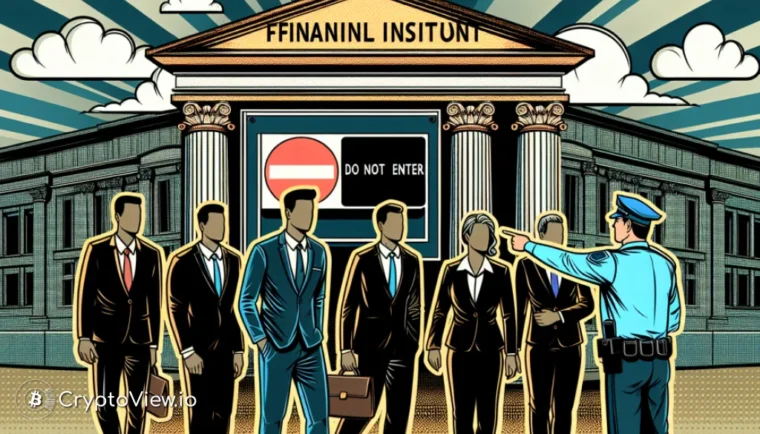
The U.S. Securities and Exchange Commission (SEC) has finalized significant settlement agreements for former FTX and Alameda Research executives, enforcing a stringent FTX execs Wall Street ban that restricts them from corporate leadership roles for up to a decade following their cooperation in the Sam Bankman-Fried trial.
The SEC’s Verdict: Bans for Key Cooperators
In a decisive move, the SEC proposed final consent judgments in the Southern District of New York against key figures from the collapsed crypto empire: former Alameda Research CEO Caroline Ellison, former FTX CTO Gary Wang, and former FTX Head of Engineering Nishad Singh. These individuals, whose testimonies were pivotal in the criminal prosecution of Sam Bankman-Fried, have agreed to a series of prohibitions without denying the Commission’s allegations. Specifically, the agreements include restrictions on future violations of securities laws, temporary conduct-based injunctions, and, most notably, a significant limitation on their ability to serve as officers and directors of publicly traded companies.
Caroline Ellison, who recently completed an 11-month prison term, accepted a 10-year ban from corporate leadership positions within publicly traded entities. Her prior sentence of two years in prison came after pleading guilty to serious charges including wire fraud, securities fraud, and money laundering, though she initially faced a potential 110-year sentence. Gary Wang and Nishad Singh, both of whom received sentences of time served and three years of supervised release last year, agreed to similar restrictions on securities dealings and an eight-year officer-and-director bar. U.S. District Judge Lewis Kaplan commended their cooperation during their respective sentencing hearings, acknowledging that they *did the right thing* by assisting the prosecution.
From Inner Circle to Key Witnesses: Their Role in SBF’s Downfall
The cooperation of Ellison, Wang, and Singh proved indispensable in building the government’s case against FTX co-founder Sam Bankman-Fried. Each executive struck a cooperation agreement with prosecutors well before Bankman-Fried’s trial commenced, providing crucial insider perspectives on the inner workings of FTX and its sister trading firm, Alameda Research. Their detailed accounts painted a clear picture of the alleged fraudulent activities that led to the exchange’s spectacular downfall. This level of collaboration with authorities is often a game-changer in complex financial fraud cases, demonstrating how insider testimony can unravel intricate schemes.
John J. Ray III, the seasoned bankruptcy executive overseeing FTX’s recovery efforts, even advocated for a lenient sentence for Nishad Singh. Ray highlighted Singh’s assistance as critical to maximizing the recovery of assets for the myriad of creditors impacted by FTX’s collapse. This advocacy underscores the value placed on cooperation, not just by prosecutors, but also by those tasked with navigating the chaotic aftermath of such a large-scale financial implosion. The leniency granted to these individuals stands in stark contrast to Bankman-Fried’s fate, illustrating the legal system’s strong incentive for turning state’s evidence.
Sam Bankman-Fried’s Conviction and Lingering Echoes
The man at the center of the storm, Sam Bankman-Fried, was found guilty of orchestrating a massive fraud, ultimately leading to the theft of at least $8 billion in customer funds. His conviction last year resulted in a 25-year prison sentence, a stark reminder of the severe consequences for financial misconduct in the crypto space. Bankman-Fried’s illicit activities included diverting customer deposits to finance risky investments through Alameda Research, making substantial donations to U.S. politicians, and acquiring luxury real estate, all while systematically deceiving creditors and investors.
Despite the overwhelming evidence and his conviction, Bankman-Fried continues to maintain his innocence and is actively pursuing an appeal. In October of this year, a 14-page document shared via his X account reiterated claims that FTX was never insolvent, echoing arguments that were previously dismissed during his criminal trial years ago. This ongoing legal battle highlights the complex and often protracted nature of high-profile financial crime cases, where defendants frequently exhaust all avenues of appeal. The crypto community remains divided on his claims, with many dismissing them as desperate attempts to rewrite history, while a small contingent still questions the full narrative.
Beyond the Bans: Market Implications and Future Oversight
The repercussions of the FTX saga extend far beyond the individual fates of its executives. The enforcement actions, including the FTX execs Wall Street ban, send a clear message about accountability in the digital asset sector. Regulators are increasingly scrutinizing crypto firms with traditional financial oversight tools, aiming to prevent future catastrophes and protect investors. This shift is likely to usher in a new era of corporate governance and compliance requirements for crypto businesses, potentially fostering greater institutional trust in the ecosystem.
For investors, this period serves as a critical reminder of the importance of due diligence and understanding the regulatory landscape. While the market continues to innovate at a rapid pace, the foundational principles of transparency and security remain paramount. Tools that provide comprehensive insights into market trends and regulatory developments are becoming indispensable. If you’re looking to navigate these complex waters and stay ahead, applications like cryptoview.io can offer valuable data and analytics to inform your decisions.


