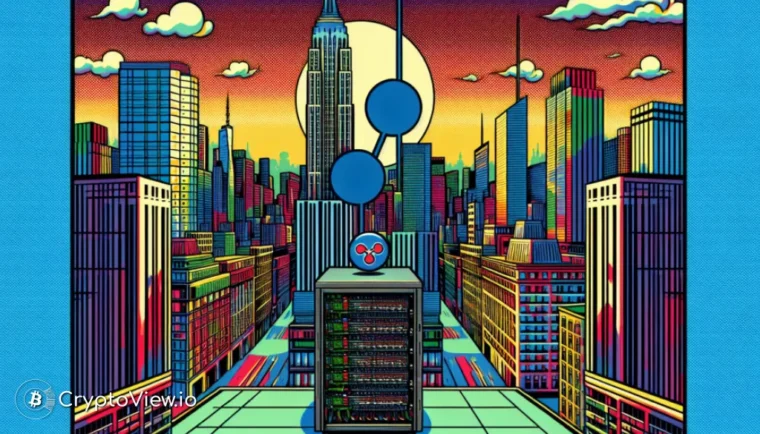
Ripple CTO David Schwartz recently surprised the crypto community by building an XRPL server. This move, highlighting the importance of Ripple CTO Builds XRP Server, has sparked discussions about XRPL’s future. The server, housed in a New York data center, is already operational, adding another layer to the XRP ecosystem. What’s next for this Ripple CTO Builds XRP Server project? Let’s dive in.
Price of XRP (XRP)
Why This Matters for XRP
Schwartz’s personal project underscores a commitment to XRPL’s decentralization. This hands-on approach, separate from official Ripple initiatives, could provide valuable real-world insights into network performance and stability. Imagine a future where individual contributions like this bolster the entire ecosystem. Diamond hands are rejoicing at this display of commitment.
Ripple CTO Builds XRP Server: A Closer Look
The server boasts impressive specs: a 9950X processor, 256 GB of RAM, and a 10 Gbps connection. It’s built to handle at least 192 server connections, ensuring resilience during periods of high traffic or market volatility. This robust setup is a testament to Schwartz’s focus on providing a reliable infrastructure for XRPL.
While some have suggested using existing monitoring tools, Schwartz prefers a custom approach. He’s planning to build a monitoring tool tailored to XRPL, citing a desire to get back into coding. This focus on bespoke solutions suggests a deep understanding of the network’s specific needs.
What’s Next on the Horizon?
Beyond the hardware, Schwartz is focused on visibility. He’s developing custom monitoring tools, not for flashy dashboards, but for practical insights into performance under pressure. This data-driven approach could prove invaluable for long-term stability and optimization. Want a clear view of the market? Cryptoview.io offers comprehensive data and insights. Find opportunities with CryptoView.io This Ripple CTO Builds XRP Server initiative demonstrates a long-term vision for XRP’s infrastructure.
Trend of XRP (XRP)
The Impact on Decentralization
This independent project has significant implications for XRPL’s decentralization. By contributing directly to the network’s infrastructure, Schwartz is demonstrating the power of individual action. This grassroots approach, combined with official Ripple efforts, could create a more resilient and distributed XRPL ecosystem. This might be the start of something big, and the community is watching closely.