
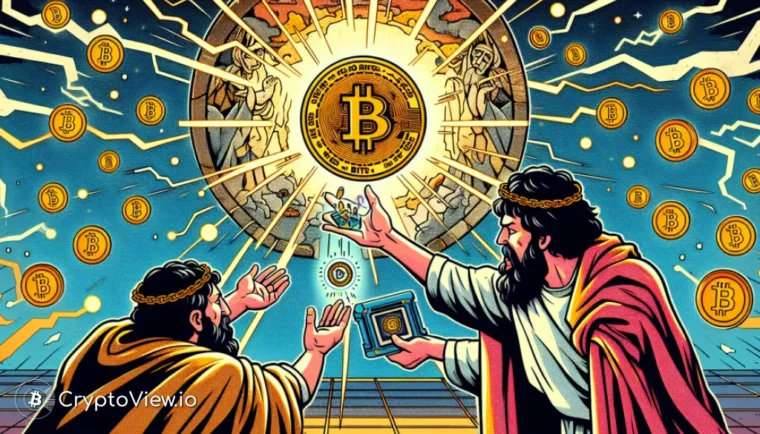
After holding 100 BTC in a physical Casascius Bar Bitcoin Wallet for 13 years, a user known as “John Galt” finally moved the coins to a hardware wallet. This move, valued at over $10 million, raises questions about the evolving landscape of Bitcoin ownership and the allure of these historical artifacts.
Price of Bitcoin (BTC)
The Allure of Physical Bitcoin
Galt purchased the Casascius Bar Bitcoin Wallet in 2012 when Bitcoin was under $100, viewing it as a cool collectible and a potential piece of history. The bars, embedded with private keys under a tamper-evident hologram, represent a tangible link to Bitcoin’s early days. This nostalgia factor plays a significant role in their perceived value, sometimes making owners hesitant to redeem them, even when their monetary value skyrockets. Imagine melting down an ancient gold coin – the sentiment is similar. *HODLing* these physical bitcoins has become a testament to long-term belief in the cryptocurrency.
Security Concerns and the Shift to Hardware Wallets
While Casascius bars offer a unique way to own Bitcoin, they also present security risks. Storing such a large amount of Bitcoin offline, even in a vault, becomes increasingly nerve-wracking as its value grows. The move to a hardware wallet reflects a prioritization of security and control over the assets. Hardware wallets, with their enhanced security features and offline storage, offer peace of mind in a world where digital threats are constantly evolving.
The redemption process itself can be seen as a delicate operation. Unsealing the hologram to reveal the private key feels like a pivotal moment, a transition from a historical artifact to liquid assets. This decision often involves careful consideration of security and the potential impact on the value of the bar itself. After all, an unredeemed Casascius bar, especially one with a significant amount of Bitcoin, can hold a premium in the collector’s market.
The Future of Casascius Bars and Physical Bitcoin
With a limited number of unredeemed Casascius bars in circulation, their value extends beyond the Bitcoin they represent. They are becoming increasingly rare collectibles, attracting the attention of both Bitcoin enthusiasts and numismatists. Tools like the Casascius tracker Uberbills provide insight into the remaining unredeemed bars, adding another layer of intrigue to these physical manifestations of Bitcoin. As Bitcoin continues to mature, these physical artifacts serve as a reminder of its journey and the various ways people have chosen to engage with it. While the move to digital wallets might be driven by practicality and security, the legacy of Casascius bars will likely endure within the crypto community.
Trend of Bitcoin (BTC)
From Collector’s Item to Liquid Asset
Galt’s decision to move his Bitcoin highlights the changing perception of these physical Bitcoins. While initially seen as a cool collectible, the increasing value and associated security concerns prompted the shift to a more secure and accessible form of ownership. Despite having access to a life-changing sum, Galt has no immediate plans to sell, suggesting a long-term perspective on Bitcoin’s potential. This long-term view, often referred to as *diamond hands* in the crypto community, reflects the belief that Bitcoin’s value will continue to appreciate over time. For those interested in exploring different facets of the crypto market, platforms like cryptoview.io offer valuable insights and tools for navigating this complex landscape. Find opportunities with CryptoView.io


