
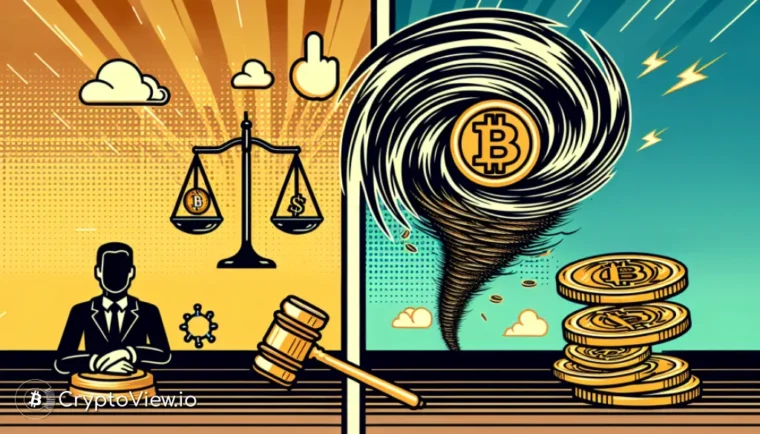
Recent disclosures in the tornado cash legal case reveal potentially exculpatory evidence withheld by prosecutors, impacting the future of crypto mixers. This evidence, centering on FinCEN communications from 2023, questions the very definition of a “money transmitting business” in the context of non-custodial mixers like Tornado Cash. Could this shift the legal landscape for crypto privacy?
FinCEN Documents Challenge Prosecution’s Case
The tornado cash legal case has taken a dramatic turn with the emergence of FinCEN documents from 2023. These communications suggest that non-custodial crypto mixers, like Tornado Cash, might not fall under the legal definition of “money transmitting businesses.” This revelation casts a long shadow over the prosecution’s arguments, potentially undermining their entire case against Tornado Cash developer Roman Storm. The defense argues that prosecutors were aware of this FinCEN guidance yet proceeded with the case, raising serious questions about the fairness and integrity of the legal process. Is this a sign of things to come for similar cases?
Allegations of Withheld Evidence and Misleading Arguments
Storm’s attorneys claim the prosecution withheld crucial FinCEN communications, alleging they “played fast and loose” with the court. They point to similarities with the Samourai Wallet case, where similar arguments were presented. The government, however, maintains that the cases are only “superficially similar.” This legal wrangling highlights the complex and evolving regulatory landscape surrounding cryptocurrency mixers and the challenges in applying existing financial regulations to this nascent technology. The implications of this legal battle could be far-reaching, impacting not just Tornado Cash but the entire crypto privacy sector.
Implications for Crypto Mixers and Privacy in the Digital Age
This legal battle has broad implications for the future of crypto mixers and digital privacy. The outcome of the tornado cash legal case could set a precedent for how these services are regulated and whether they can operate legally. The core issue revolves around the definition of a “money transmitting business” and how it applies to non-custodial platforms. If Tornado Cash is deemed not to fall under this definition, it could pave the way for other mixers to operate legally, potentially strengthening privacy protections within the crypto space. For those interested in tracking regulatory developments and their impact on crypto markets, resources like cryptoview.io can provide valuable insights.
The Future of Crypto Regulation
The outcome of the Tornado Cash case will undoubtedly influence the future of crypto regulation. The court’s decision will likely shape how regulators approach non-custodial services and the broader issue of privacy in the digital asset space. This case underscores the need for clear regulatory guidelines to provide legal certainty for developers and users alike. As the crypto ecosystem continues to evolve, striking a balance between fostering innovation and preventing illicit activities will be a crucial challenge for regulators worldwide. Will we see a move towards more privacy-focused regulations, or will the pendulum swing towards greater control and surveillance? Only time will tell. Keep your *diamond hands* steady, folks, the ride is far from over.
Find opportunities with CryptoView.io

