
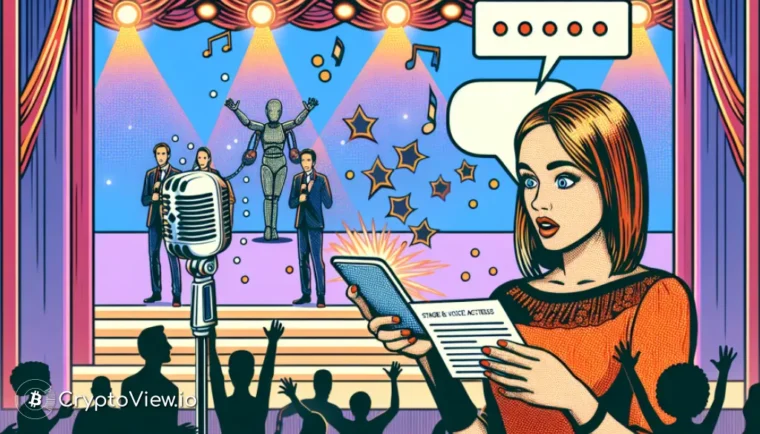
In an era where technology is rapidly evolving, the boundary between human creativity and artificial intelligence is becoming increasingly blurred. A recent case where AI replaces actress Sara Poyzer has sparked a significant conversation around the future of the entertainment industry. Sara Poyzer, known for her role in “Mamma Mia,” shared her experience of being replaced by an AI-generated voice for a BBC project, highlighting a trend that could redefine artistic expression.
The Shocking Revelation
Imagine receiving an email informing you that your expertise, honed over years of dedication and hard work, is no longer required because a machine can replicate your skills. This was the reality for Sara Poyzer, who was told that her vocal talents were being substituted by an AI-generated voice for a documentary narration. This decision by the BBC to opt for artificial intelligence over human talent underscores the growing reliance on AI within creative fields. The move has elicited mixed reactions from the public and professionals alike, ranging from empathy for Poyzer to concern over the implications for artists worldwide.
The Industry’s Response
The entertainment industry is at a crossroads, with AI’s capabilities challenging the traditional roles of artists. Voice talent agencies and unions have voiced their discontent, emphasizing the risks AI poses to job security and the essence of human creativity. The BBC’s decision to use AI for a “highly sensitive documentary” was based on specific circumstances, yet it has raised broader questions about the balance between technological advancement and the preservation of human artistry. As AI continues to evolve, the dialogue around its ethical and practical application in replacing human roles intensifies.
AI’s Growing Influence
The integration of AI into content creation isn’t confined to voice acting. From generating realistic images to composing music, AI tools are reshaping how content is produced. Innovations such as OpenAI’s Voice Engine, which can clone voices with minimal input, represent a leap forward in AI’s capabilities. These advancements, while offering efficiency and new possibilities, also prompt a reevaluation of the value and uniqueness of human contributions. The debate around AI’s role in creative industries is far from over, with each development bringing new dimensions to the discussion.
As we navigate this new landscape, it’s essential to consider how technology like cryptoview.io can help us understand and adapt to the changes AI brings to various sectors, including finance and entertainment. The application of AI is broad and multifaceted, offering both challenges and opportunities. As we ponder the future of professions traditionally dominated by human talent, the conversation around AI’s ethical use and its impact on employment and creativity becomes increasingly crucial.
Find opportunities with CryptoView.io

