
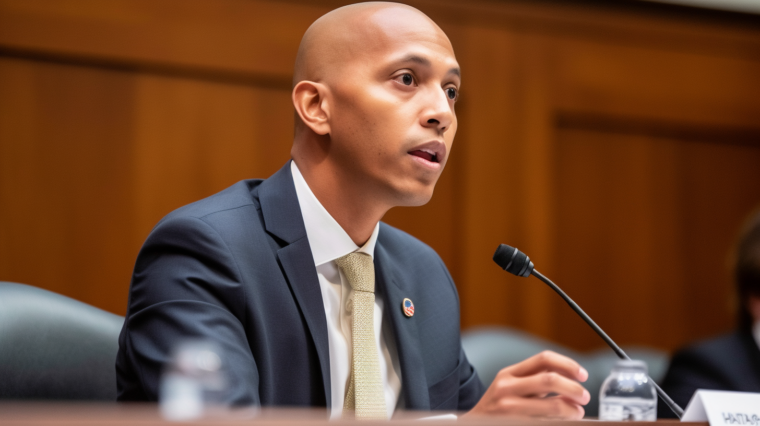
Delving into the current debate over cryptocurrency regulation in the United States, we find ourselves in the midst of a growing divide. The most relevant keyphrase for SEO optimization of the document is “Crypto Debate Between SEC and Congress”, as it aptly encapsulates the ongoing discord between these two major entities.
Investment Contracts and the Crypto Realm: Where Does Clarity Lie?
The complexities of defining an “investment contract” within the world of cryptocurrency have become a significant bone of contention. Recently, Congressman Ritchie Torres posed a rigorous inquiry to SEC Chairman Gensler, seeking clarity on this very issue. The broader crypto community has echoed Torres’ concerns, fearing the term might be excessively broad and could grant the SEC an unfettered regulatory scope.
Gensler’s Position and the Ripple Effect on the Crypto Community
Despite the crucial nature of Torres’ question, Gensler failed to provide a clear-cut answer on whether an actual contract is necessary for an “investment contract” designation. This issue is of utmost importance as it could potentially shield several digital tokens from falling under the SEC’s regulatory purview. Gensler’s non-committal response and emphasis on the SEC’s wide-ranging authority led to further criticism from Torres and the crypto community.
Emerging Congressional Divide Over Crypto Regulation and Coinbase’s Lobbying Efforts
Reflecting the widening rift between Congress and the administration on crypto matters, Torres’ viewpoint underscores the growing tension. While the SEC continues to pursue legal actions against industry giants like Coinbase, Congress seems more open to embracing the crypto wave. Prominent figures from both parties, including Republicans Patrick McHenry and Tom Emmer, are advocating for a more balanced and crypto-friendly regulatory approach.
In the midst of these regulatory debates, Coinbase is making strides in D.C., seeking to curry favor with key players such as House Financial Services Committee ranking member Maxine Waters. It’s not just Coinbase that’s actively engaging with policy-makers. Other industry stakeholders like the Blockchain Association, Ryan Selkis, and a16z are also pushing for crypto-friendly policies.
The ongoing tussle between the SEC and the broader crypto industry, set against a seemingly more accommodating Congress, signifies a critical juncture for crypto regulation in the U.S. While it’s clear that the path to comprehensive crypto regulation is fraught with challenges, increasing engagement from both sides suggests a balanced and effective regulatory framework might be in sight.
For those interested in staying informed about these unfolding events, platforms like cryptoview.io provide an excellent resource for keeping up with the latest crypto news and developments.


